

Updated on: 2026-04-24
Microcoil comfort layers combine targeted support with flexible comfort. They are designed to reduce pressure at the shoulders, hips, and back while still keeping the mattress responsive. A well-built microcoil system can help maintain airflow and support sleep posture across changing positions. The right configuration depends on your body type, sleeping position, and preferred feel.
Table of Contents
How Microcoil Comfort Layers Work
Microcoil comfort layers are a specialized mattress comfort system that uses many small coil units in the upper portion. These coils are typically thinner and more densely packed than traditional innerspring designs. The structure aims to provide localized support where your body needs it most, while allowing gentle movement across the sleep surface.
In practice, the microcoil network responds to body weight by compressing in small areas rather than relying on one uniform layer. This can create a balance between pressure relief and stability. When you change positions, the layer can redistribute weight smoothly, helping the mattress stay supportive instead of feeling overly rigid or overly soft.
Many modern mattresses pair microcoil comfort layers with additional materials such as comfort foams, breathable textiles, or transitional layers. Those materials can influence responsiveness, cushioning, temperature management, and edge behavior. Understanding this layering logic helps you evaluate comfort without guessing.

Small coil grid illustration with layered cushioning
Benefits of Microcoil Comfort Layers
Choosing a mattress is rarely about a single feature. Microcoil comfort layers stand out because they address multiple comfort variables at once: pressure distribution, responsiveness, and airflow.
1) Pressure relief where it matters
Because the microcoil layer responds in smaller zones, it can reduce the sensation of “sinking” at high-pressure areas. This can feel more supportive at the shoulders and hips, where pressure commonly concentrates for many sleepers.
2) Balanced support and movement
A quality microcoil comfort layer often maintains an even level of support across a range of body positions. At the same time, it can allow controlled contouring. The result is usually a sleep surface that feels cushioned yet stable.
3) Improved breathability
Coil-based comfort layers can support airflow through the mattress interior. Better airflow may help reduce heat buildup compared with designs that rely entirely on solid foam comfort systems. Your sleep temperature can vary by season, so breathability is a practical consideration.
4) Durability-focused structure
In well-designed systems, microcoils can help distribute weight across a larger set of support points. That distribution can reduce the risk of early sagging compared with comfort layers that compress unevenly over time. Longevity depends on build quality, materials, and overall mattress construction.
How to Choose the Right Microcoil Comfort Layers
The best microcoil comfort layers are not simply the ones with the highest coil count. The optimal choice depends on your body, your sleeping position, and how you want the mattress to feel when you lie down.
Step 1: Match your primary sleep position
Start by identifying how you usually sleep. Side sleepers often benefit from comfort layers that cushion the shoulder and hip while keeping the spine aligned. Back sleepers typically look for support that maintains a neutral feel without excessive sink. Stomach sleepers commonly need a firmer surface that discourages deep hip drop.
Step 2: Select the right comfort level
Microcoil comfort layers can be integrated into mattresses with different overall firmness profiles. A medium option may provide a blend of contouring and support. A firmer option may feel more responsive and less likely to allow hips to sink deeply. If you feel “stuck” or unsupported, consider a different comfort level.
Step 3: Evaluate responsiveness and edge behavior
Microcoil layers are meant to respond quickly while maintaining stability. When you test a mattress, pay attention to how it supports you when you sit on the edge and how it transitions when you move to a new position. Good edge behavior can increase usable sleeping area.
Step 4: Consider your weight range
Body weight affects how much the comfort layer compresses. If you are within a lighter range, you may feel more of the comfort materials above the microcoils. If you are within a heavier range, you may require a stronger transitional structure beneath the comfort layer to maintain alignment. In both cases, the goal is consistent support without uncomfortable pressure.
Step 5: Check for compatible comfort materials
The microcoil layer typically works alongside foams, fiberfill, or specialty textiles. These materials influence initial feel and long-term comfort. If you prefer a cooler surface, look for breathable covers and airflow-supportive construction. If you prefer more cushioning on top, look for comfort foams paired with the microcoil system.
To ground these concepts in a real shopping decision, consider this option:

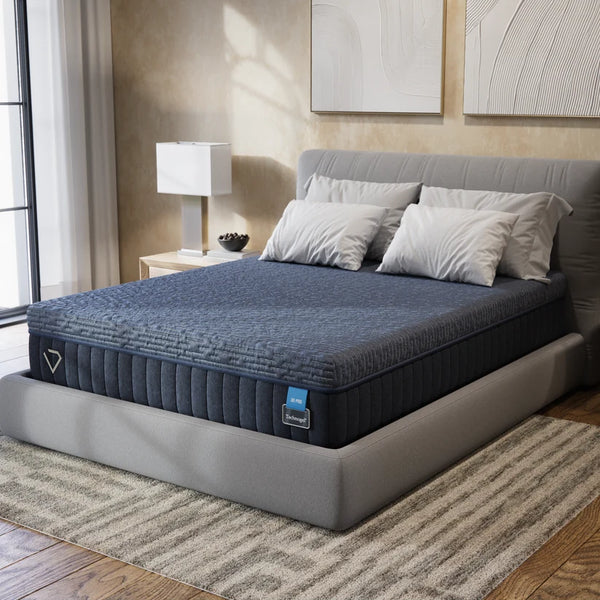
2025 Helix Midnight Elite
Shop Helix Midnight Elite
This model is relevant because it reflects a comfort-forward hybrid approach that can pair supportive coil architecture with a designed sleep feel. When comparing mattresses, focus on how the comfort layer responds to your body shape and movement rather than relying on general descriptors.
Installation and Care for Long-Term Comfort
Microcoil comfort layers perform best when the overall system is set up correctly and supported by consistent care. The comfort experience can change over time if the mattress is stored improperly or used on an incompatible foundation.
Step 1: Use a compatible support base
Use a sturdy platform or bed frame that supports the mattress evenly. Uneven support can create tension points and affect how the comfort layer behaves. If the mattress is too flexible under load, it may reduce the intended support and contouring performance.
Step 2: Allow the mattress to acclimate
After setup, allow the mattress materials to settle. This can improve how the layers distribute weight and help you evaluate the feel more accurately. Follow the manufacturer guidance for initial setup.
Step 3: Rotate and reposition strategically
Regular rotation can help reduce the formation of permanent impressions. If the mattress is two-sided or designed to be rotated, follow the product instructions. If it is one-sided, rotate it end to end according to the care guide.
Step 4: Keep the surface clean and protected
Use a breathable mattress protector. This helps guard against spills and dust accumulation. For cleaning, follow safe surface-care methods recommended by the mattress documentation. Avoid harsh treatments that can damage fabrics.

Maintenance icons: rotate arrows, airflow lines, protector outline
How to Fine-Tune Your Mattress Feel
Even when you choose the correct microcoil comfort layers, small adjustments can improve comfort outcomes. Your sleep system includes more than the mattress. A consistent setup often makes the difference between “almost right” and “fully right.”
1) Use the right pillow loft
For many sleepers, the pillow height strongly affects comfort. Side sleepers often benefit from a pillow that fills the space between the shoulder and head. Back sleepers typically need a loft that keeps the chin neutral. Adjusting pillow height can complement the mattress support, particularly when the comfort layer cushions the shoulder and upper torso.
2) Match the protector and sheet system
Thick or overly insulated bedding can reduce airflow. Choose breathable sheets and a protector that does not create excessive heat. If you experience warmth during the night, reducing heat-trapping layers can help the microcoil design perform as intended.
3) Consider a supportive foundation topper only if needed
If the mattress feels too firm, a thin supportive topper may help soften the top feel while maintaining overall support. If it feels too soft, focus on foundation support before adding cushioning layers. In all cases, keep additions minimal and compatible to preserve the microcoil comfort behavior.
4) Reevaluate after a full adjustment period
Mattress comfort can be influenced by your initial expectation and your body’s adaptation. Give yourself enough time to assess movement, pressure points, and nighttime comfort. If you still feel persistent pressure or misalignment, the issue may be comfort level mismatch rather than an adjustment factor.
FAQ
What are microcoil comfort layers, and how are they different from standard coils?
Microcoil comfort layers use smaller, denser coil units in the upper mattress region. This design targets localized responsiveness and controlled contouring. Standard coil systems often focus on broad support patterns and may not deliver the same level of zone-specific feel when used as the main comfort component.
Are microcoil comfort layers suitable for side sleepers?
They often are, especially when paired with compatible comfort materials and an appropriate overall firmness. Side sleepers generally need cushioning at the shoulder and hip while still maintaining spinal alignment. A microcoil comfort layer can provide that balance by responding to localized pressure.
Do microcoil comfort layers sleep cooler than foam-only mattresses?
They can, because coil-based layers can support airflow through the mattress interior. However, temperature comfort also depends on the cover fabric, comfort materials above the coils, and your bedding choices.
How do I decide between medium and firmer microcoil comfort designs?
If you sink deeply at the hips or feel pressure build-up, a firmer overall profile can improve alignment. If you feel too much firmness and lack cushioning, a medium option may provide a more comfortable contouring balance. Your preferred movement and body weight range also influence the ideal choice.
Closing Thoughts
Microcoil comfort layers are a practical comfort technology for sleepers who want pressure relief, responsive support, and airflow-friendly construction. The most important step is selecting the right firmness level and compatible layering materials for your body and sleep position. Once the mattress feels correct, fine-tuning your pillow and bedding can help you get the full benefit of the comfort system.
If you are ready to compare options, visit The Sleep Loft to explore curated hybrid designs. You can also review product options online and shortlist models that align with your ideal comfort feel.
About the Author Section
The Sleep Loft - Online Mattress Showroom is an expert-led mattress resource focused on guiding shoppers through comfort layer technology, material performance, and practical selection criteria. Our team specializes in helping customers understand modern comfort systems, including coil-based and hybrid constructions. You can connect with knowledgeable guidance that supports an informed decision before purchase. We invite you to try your favorite options online and, when available, visit our showroom in New York and New Jersey for a comfortable, guided experience.
Shopper guidance: This article is for general educational purposes and does not provide medical advice. Mattress comfort varies by individual preference and body mechanics. Always review product documentation and choose a sleep setup that matches your personal needs.
The content in this blog post is intended for general information purposes only. It should not be considered as professional, medical, or legal advice. For specific guidance related to your situation, please consult a qualified professional. The store does not assume responsibility for any decisions made based on this information.