

Updated on: July 13, 2026
Hip discomfort often gets worse when your mattress does not match the way your body distributes weight. Memory foam for hip relief can help by contouring around pressure points and reducing strain as you sleep. In this guide, you will learn how to choose the right comfort level, placement, and cover features for your sleep position. You will also see how one popular option, Helix Twilight Luxe, supports side sleepers who want softer pressure relief without feeling stuck. If you want to sleep through the night more comfortably, start with the tips below and explore a mattress that targets pressure at the hips.
Product Spotlight: Memory Foam for Hip Relief That Still Feels Supportive
If you wake up with achy hips, the issue is usually pressure plus poor alignment. When your hips sink too far, your spine can tilt. When they do not sink enough, the bony areas take the load. That is why memory foam for hip relief is so popular: it contours to your shape and helps spread weight across a larger surface area.
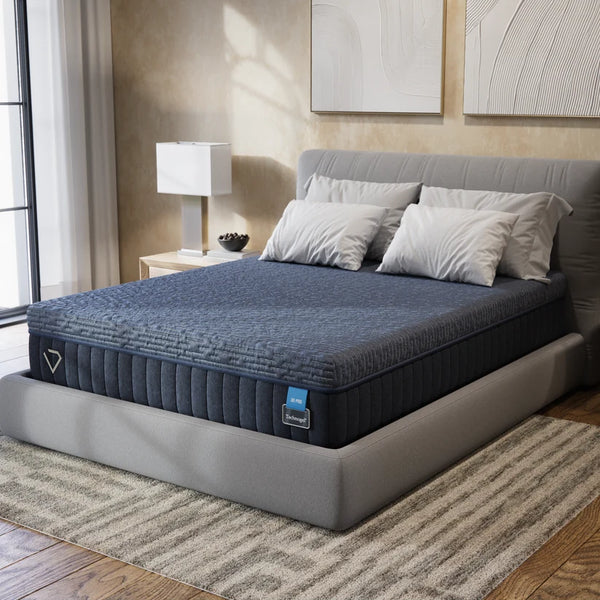
One option many shoppers love for side-sleep comfort is Helix Twilight Luxe. It is designed to feel cozy on top, with a cooling cover feature aimed at keeping you more comfortable as you drift off. For people who want gentle pressure relief at the hips without giving up on stability, it is a strong choice.

Side-sleeper pressure map concept with softer contours
Why this model fits hip-friendly comfort goals
Here is what to look for when you are choosing a bed for hip relief. This product is a good match because it balances three practical needs:
- Pressure distribution: A foam comfort layer helps reduce the “point load” effect that can make hips feel sore.
- Sleep-position support: Side sleepers typically benefit from a comfort surface that allows the hip area to settle while still supporting the rest of the body.
- Temperature comfort: Cooling-focused cover features can help you feel less overheated, which matters because tossing and turning can restart pressure stress.
Embedded product:
Helix Twilight Luxe - Includes GlacioTex™ Cooling Cover

Helix Twilight Luxe
Want to compare feel profiles before you decide? You can also browse other comfort styles on Helix Midnight Luxe for an alternate take on support and softness.
Step-by-Step How-To: Choose the Right Setup for Hip Comfort
Shopping for hip relief can feel confusing. Is it a mattress type question or a firmness question? Usually it is both. Use this quick checklist to narrow down your best match for memory foam for hip relief and similar contouring comfort layers.
Step 1: Identify your main sleep position
Most hip discomfort shows up in side sleeping. If you often lie on your side, you usually need a comfort surface that cushions the hip while helping your shoulders and spine stay more level. If you mostly sleep on your back, you may need different cushioning and support balance.
Step 2: Choose the right balance of softness and support
Too soft can let your hips sink excessively. Too firm can prevent enough contouring. A good target is a surface that lets the hip area settle gently, then supports you so you do not feel like you are rolling toward the mattress.
Step 3: Look for pressure-friendly comfort layers
Memory foam and foam-based comfort systems are commonly used for pressure point comfort. The goal is to spread body weight over a wider area so your hips do not absorb the “hard landing” feeling of concentrated pressure.
If you want a more natural or organic-leaning option for cushioning and breathability, consider exploring Avocado Green Mattress to compare how different materials feel under the same side-sleep test.
Step 4: Test edge and motion comfort
Even if the bed feels good in the center, hip discomfort can increase if you shift toward the edge at night. Press your hips near the edge during testing. If you feel unstable or pushed upward, that can cause more repositioning and more pressure stress.
Step 5: Check your foundation and bed height
A mattress can only perform as well as the support underneath it. Make sure your base or platform is sturdy and level. If your bed frame is too high or too low for your routine, you may move more and that can make hip discomfort feel worse.
Step 6: Use accessories to fine-tune alignment
A pillow between the knees can help reduce hip rotation for many side sleepers. The best memory foam for hip relief still works better when your body is aligned, not twisted.

Alignment diagram showing neutral spine and cushioned hips
Step 7: Give your body time to adapt
When people switch from a worn-out bed, they often feel different cushioning on the first nights. That does not mean the choice is wrong. It often means your muscles and joints are adjusting to new support and pressure distribution. Keep an eye on whether pain decreases over multiple nights rather than judging one short first impression.
Personal Experience: When Hip Relief Finally Felt Consistent
I used to think my hip discomfort came from “being sore.” I would wake up, stretch a bit, and assume it was normal. Then I started paying attention to patterns. On nights when I slept on a flatter, more worn-out surface, my hips felt sharper when I rolled over. On nights when I stayed put and did not move as much, the discomfort stayed mild.
That changed how I shopped. I focused less on the word “comfortable” and more on pressure points and alignment. When I tried a foam-forward comfort surface designed to contour, I noticed a difference right away. My hips felt like they were supported, not crushed. The pressure did not vanish instantly, but it stopped spiking every time I shifted.
What surprised me most was how much temperature mattered. When I ran warmer, I moved more and the hip area took more pressure cycles. That is why cooling-focused cover features can be a quiet hero for sleep consistency. If you want memory foam for hip relief, do not ignore the basics that support better sleep habits.
Summary & Recommendations: The Fast Path to Better Hip Nights
Hip comfort is not about luck. It is about pressure distribution, support balance, and a setup that keeps your body aligned as you sleep. Memory foam for hip relief works well when it cushions the hip area while still preventing excessive sinking. If you are choosing a mattress, start by matching it to your main sleep position, then fine-tune with accessories like a knee pillow.
Here are practical recommendations you can use right away:
- Prioritize contouring comfort: Look for foam comfort layers that reduce point pressure on hips.
- Aim for gentle settling: Your hips should feel cushioned, not dropped too low.
- Test stability: Press near the edge to see whether you feel forced to reposition.
- Support sleep temperature: Cooling cover features can reduce tossing and turning, which often drives hip pain.
- Consider side-sleeper alignment tools: A pillow between the knees can help reduce hip rotation.
If you want a clear starting point, explore Helix Twilight Luxe and compare it to other comfort profiles that may feel firmer or softer on top. The Sleep Loft Showroom is ready for you to try your favorite online beds before you buy. Conveniently located in New York & New Jersey, you can also visit our New location at 1056 3rd Avenue, New York, NY with easy parking and an easy-to-find setup.
Call to action: Want to take the next step toward better sleep? Visit The Sleep Loft to compare mattresses, read comfort guides, and choose the bed that best supports your hips from the very first night.
Q&A Section
How does memory foam for hip relief work for side sleepers?
Memory foam contours to your body shape. For side sleepers, that can cushion the hip area and reduce concentrated pressure on bony spots. When the comfort layer spreads weight more evenly, hips often feel less “hit” when you shift positions.
Will a softer mattress always be better for hip pain?
Not always. If a bed is too soft, your hips can sink too far and change spinal alignment. The goal is a balance: enough give to cushion the hips, plus enough support to keep your spine in a more neutral position.
What firmness level should I try if my hips feel sore when I wake up?
Many people with hip discomfort start with a medium or medium-soft feel because it provides contouring without extreme sinking. The best approach is to test whether your hips feel supported when you lie on your side, including near the edge of the bed.
Can a mattress topper help if I already own a bed?
Yes. A topper can add pressure-cushioning, especially if your current mattress comfort layer has worn down. Still, check your overall support system. If your foundation is uneven or weak, a topper may not solve the root cause.
How long should I try a new mattress before deciding it is not for me?
Most people need several nights for their body to adjust to new cushioning and support. Focus on trends: if your hip discomfort decreases and you wake up more comfortable over time, you are likely moving in the right direction.
About the Author
The Sleep Loft - Online Mattress Showroom
The Sleep Loft - Online Mattress Showroom is dedicated to helping shoppers choose better sleep through clear guidance and hands-on comfort comparisons. Our team has expertise in mattress materials, sleep position fit, and building the right setup for real-life comfort needs. We are friendly, practical, and focused on what works for your body. Thanks for reading, and we hope you find your best match for restful nights.
Disclaimer: This article is for general information and shopping guidance only. It is not a substitute for medical advice. If you have persistent pain or a medical condition, consult a qualified healthcare professional.
The content in this blog post is intended for general information purposes only. It should not be considered as professional, medical, or legal advice. For specific guidance related to your situation, please consult a qualified professional. The store does not assume responsibility for any decisions made based on this information.