

Updated on: August 15, 2026
If your mattress feels “almost right,” it usually means you picked the wrong comfort level, support style, or material blend. These mattress selection tips help you narrow choices fast using your sleep position, heat concerns, and body needs. You will learn what to compare, how to test at home, and which features match common pain points. By the end, you will know how to choose a bed that feels supportive, breathable, and ready for every night.
1. Introduction: Why Mattress Shopping Feels Hard
2. Key Benefits of Using Mattress Selection Tips
3. Mattress Selection Tips: Step-by-Step Guide to Choosing the Right Feel
3.1. Start With Your Sleep Position
3.2. Match Your Comfort Preference (Soft, Medium, Firm)
3.3. Choose the Best Support System for Your Needs
3.4. Factor in Temperature and Motion Transfer
3.5. Confirm Size, Edge Support, and Trial Fit
4. Best-Match Use Cases: Which Mattress Type Fits You
5. Product Picks to Match Common Priorities
Introduction: Why Mattress Shopping Feels Hard
Shopping for a mattress should be exciting, but it often turns frustrating. You may find a bed that looks great, then discover it feels too firm, traps heat, or fails to support your hips. Even worse, different brands use different words for similar comfort levels, so the same “medium” can feel completely different from one store to another.
This is where practical mattress selection tips save you time and help you buy with confidence. Instead of guessing, you compare the features that drive how a mattress feels: comfort layer, support core, breathability, and how the bed handles motion. When you use a simple decision path, you can quickly narrow down your options to the best match for your sleep style.
Key Benefits of Using Mattress Selection Tips
- Fewer wrong turns: You learn what to check first so you do not waste energy comparing random details.
- A sleep feel you can trust: You match comfort and support to your body needs and sleep position.
- Better temperature control: You reduce the chances of waking up too warm or feeling overly sweaty.
- More partner-friendly nights: You better manage motion transfer when two people share a bed.
- Confident online buying: You know what to look for, which makes trials and exchanges easier.
Mattress Selection Tips: Step-by-Step Guide to Choosing the Right Feel
Use this guide like a checklist. Each step narrows your options and helps you pick the bed that will feel supportive and comfortable from night one.
1) Start With Your Sleep Position
Your sleep position is one of the fastest ways to predict what kind of support you need. Side sleepers usually benefit from comfort that cushions the shoulders and hips. Back sleepers often need balanced support that keeps the spine aligned. Stomach sleepers generally do better with a firmer feel that prevents the hips from sinking too far.
If you switch positions during the night, aim for a comfort level that works across more than one posture. This is also why hybrid designs often feel versatile: they combine cushioning comfort with responsive support.

Simple icons showing side, back, and stomach alignment
2) Match Your Comfort Preference (Soft, Medium, Firm)
Comfort is not just about softness. It is about how pressure feels across your body. If you wake with sore shoulders or hips, you may need more contouring comfort. If you feel stuck or sink too much, you may need a firmer top feel or better support.
A useful way to think about comfort is this: soft comfort usually increases body contouring, medium comfort often offers a blend of cushioning and lift, and firm comfort typically supports the body with less sinking. Many shoppers find a medium option hits the sweet spot because it can feel cozy without losing alignment.
To choose wisely, pay attention to your own body signals. Do you feel pressure in specific areas? Do you prefer the “hug” sensation of contouring or the “on top” feel of a more supportive surface? Your preference should guide the comfort layer decision.
3) Choose the Best Support System for Your Needs
Support is what keeps your spine aligned and prevents excessive sink. Here are the common support paths shoppers compare:
- Foam-focused support: Often provides a gradual, contouring feel. Some sleepers love it for pressure relief, while others prefer more bounce.
- Hybrid support: Combines a comfort layer with a supportive core that can improve airflow and responsiveness. It often suits people who want both cushioning and easier movement.
- More responsive builds: If you move around at night, a responsive core can make it easier to change positions.
The best choice depends on how you want your body to feel while you rest. If you love a cool, balanced feel, a breathable hybrid approach can be a strong direction. If you want deep contouring, a foam-forward design may fit better.
4) Factor in Temperature and Motion Transfer
Two comfort killers are heat buildup and partner movement. Temperature comfort is influenced by airflow, cover materials, and internal layer design. If you tend to sleep hot, look for features that support airflow and breathability. Many sleepers find that the right balance between cushioning and ventilation reduces night sweats and helps you stay comfortable.
Motion transfer matters when you share a bed. If you or your partner wakes easily, prioritize designs that limit movement across the surface. Responsive support can help you shift positions with less “drag,” while certain comfort layers can help absorb motion.
You can also reduce motion issues by choosing a mattress that matches your partner’s preferences. If one person wants soft contouring and the other wants a firmer feel, hybrids often provide a more adjustable balance.
5) Confirm Size, Edge Support, and Trial Fit
Size is not a small detail. If you are between sizes, think about how you sleep and how much you move. Bigger options can reduce the feeling of “crowding,” especially for couples.
Edge support matters if you sit on the mattress, get in and out frequently, or sleep near the edge. Strong edge performance can make the bed feel stable across the entire surface.
Finally, confirm how the mattress fits your lifestyle. Online shopping works best when you are clear on what you want and you use the available home trial time to validate the feel. A good purchase decision should feel comfortable during your normal routines, not only during a quick first impression.

Checklist visuals for size, edge support, and home trial
Best-Match Use Cases: Which Mattress Type Fits You
To make mattress selection tips even easier, match them to real scenarios. Here are common use cases and what to prioritize.
Use case A: You want pressure relief but do not want to feel trapped
Look for a balanced comfort feel with supportive structure. Hybrid designs can offer a blend of contouring and responsiveness. This helps you reduce pressure while still feeling able to change positions easily.
Use case B: You sleep hot or wake up sweaty
Prioritize breathability and cooling comfort. Consider materials and layer construction that support airflow. A mattress that manages temperature can improve your overall rest quality, because you are less likely to wake during hotter parts of the night.
Use case C: You share a bed and motion wakes you up
Focus on motion control and stability. Choose a bed that limits how much movement travels across the surface and that still supports both partners comfortably. Edge support also helps, especially for couples who use more of the mattress width.
Use case D: You want a natural feel with eco-minded materials
If you prefer cleaner, nature-inspired construction, look for mattresses that emphasize organic or natural components. A mattress built with these values can align with your personal preferences while still focusing on comfort and support.
Product Picks to Match Common Priorities
Everyone’s sleep needs are different, but you can simplify decisions by starting with your top priorities. Below are a few product directions that match popular preferences. Use them as starting points, then verify comfort and support fit using your mattress selection tips checklist.
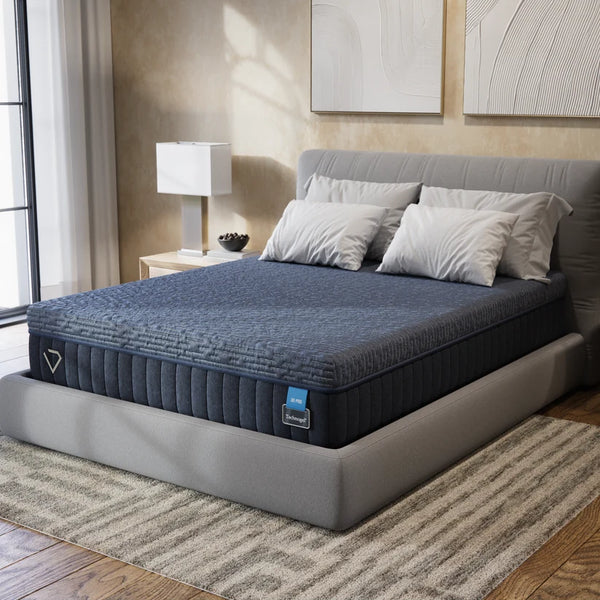
- Cooling-focused hybrid options: If you sleep warm, consider a cooling hybrid that targets airflow and a fresher feel. Explore Deluxe Chill Hybrid Mattress to support a cooler night experience.
- Balanced all-around comfort for many sleep positions: A versatile hybrid can work for back, side, and combo sleepers. Check Sapira Chill Hybrid Mattress if you want a comfort blend with temperature care.
- Organic and nature-forward preferences: If you care about natural construction, consider Luxury Organic Mattress as a way to align your sleep setup with eco-minded materials.
- Support with a refreshing feel: When you want an energizing, breathable surface, you may prefer a cooling hybrid direction like DreamCloud Premier Hybrid Mattress.
Remember: the best product is the one that matches your needs for pressure relief, alignment, temperature, and movement. Use your checklist to confirm you are choosing the right type for your body.
Real Customer Insights: What Shoppers Wish They Knew
While every review story is personal, many shoppers repeat the same lessons after they pick a mattress. Here are common insights that align with proven mattress selection tips.
- “We thought medium would feel the same everywhere.” Comfort terms vary by brand. You need to compare construction and your own comfort preference, not just the label.
- “The first night felt okay, but the third week mattered.” Sleep systems often settle. Use your home trial time to validate alignment and comfort during your usual routines.
- “Heat was the real issue, not softness.” A mattress can feel comfortable at first, then feel too warm later. Temperature control is a key factor.
- “Partner motion surprised us.” Even if the mattress feels great for one person, motion transfer affects shared sleep. Check motion behavior before you finalize.
If you want a simple way to avoid buyer’s regret, keep your decision grounded in your top three priorities. For example: pressure relief for side sleeping, cooling comfort for warm nights, and motion control for couples. Then compare options that specifically support those needs.
For more practical guidance, you can also explore the wider collection and compare what fits your preferences at The Sleep Loft.
FAQ Section
How do I know if I need a softer or firmer mattress?
Start with pressure points and alignment. If you notice soreness at shoulders, hips, or lower back, you may need more comfort cushioning or better contouring. If you feel like you sink too much or your back feels unsupported, a firmer comfort layer or a support-forward build may fit better. Use your regular sleep position as the main clue.
Are hybrid mattresses better for couples?
Hybrid designs are often popular for couples because they can balance comfort and responsiveness. This can help reduce the “stuck” feeling and may support more stable sleep across positions. Motion transfer still varies by build, so focus on stability and comfort for both partners—not just one person’s preference.
What mattress features help with sleeping hot?
Look for cooling comfort and breathability. Many sleepers benefit from designs that support airflow through internal layers and provide a surface that does not trap heat. If you wake up warm, prioritize temperature management as a top criterion when you compare options using mattress selection tips.
Summary & Final Thoughts
The right mattress is the one that supports your body, matches your comfort preference, and helps you sleep through the night—without heat buildup or annoying movement. Use these mattress selection tips to build a clear shortlist based on sleep position, comfort level, support system, and temperature needs. When you shop with a checklist, you move from guesswork to confidence.
If you are ready to find your best match, visit The Sleep Loft to explore options and make a confident decision from the comfort of home. You deserve a bed that feels great every night.
About the Author Section
The Sleep Loft - Online Mattress Showroom is an online mattress destination focused on helping shoppers choose with clarity. The team’s expertise centers on mattress selection tips, sleep comfort matching, and building the right sleep experience for different body types and preferences. For friendly help and showroom inspiration, visit The Sleep Loft. Thanks for reading, and happy mattress hunting.
The content in this blog post is intended for general information purposes only. It should not be considered as professional, medical, or legal advice. For specific guidance related to your situation, please consult a qualified professional. The store does not assume responsibility for any decisions made based on this information.