

Updated on: 2026-05-14
A hypoallergenic mattress cover can support a cleaner sleep environment by adding a protective barrier between you and your mattress. It can also help reduce the impact of common irritants that collect over time, including dust and trapped debris. The right cover balances filtration, breathability, and durability so it remains comfortable night after night. This guide explains what to look for, how it works, and how to choose a cover that fits your bed properly.
Table of Contents
What Is a Hypoallergenic Mattress Cover?
A hypoallergenic mattress cover is a protective layer designed to reduce exposure to common airborne irritants that can accumulate in bedding over time. These covers are typically made with tightly woven or treated fabrics that help block dust and other microscopic particles from reaching the sleeper. Many also use features such as moisture resistance, enhanced seam construction, and elastic corner fasteners to keep the barrier in place.
In practical terms, a cover functions as an additional barrier on top of the mattress surface. It can help keep the mattress cleaner between washes of your sheets, while also supporting a consistent feel. For households that prioritize easy maintenance, this added layer can simplify bedding care. For households that prefer better control of allergens in the sleep zone, filtration-focused materials can be a valuable complement to regular cleaning.
When you evaluate a hypoallergenic mattress cover, it is useful to separate the concept of protection from the comfort experience. The most effective covers tend to balance particle blocking with breathability. If a cover traps heat or feels overly stiff, it may reduce the comfort you expect from your mattress. The goal is to create a barrier that does not noticeably change the sleeping surface.
Another important consideration is fit. A cover that shifts or gapes at the edges can allow air movement that reduces barrier effectiveness. Look for covers with deep pockets, secure closures, and well-constructed corners. These details determine whether the cover remains flat, stays aligned with the mattress edges, and supports smooth sheet placement.
Finally, consider how the cover integrates with your existing bedding system. Many sleepers pair a protective cover with breathable sheets and a mattress topper. In that setup, the cover supports cleanliness while the topper or sheets handle comfort and temperature regulation. This layered approach often delivers the best overall experience.

Barrier concept icons: filter, airflow, secure edges
Product Spotlight
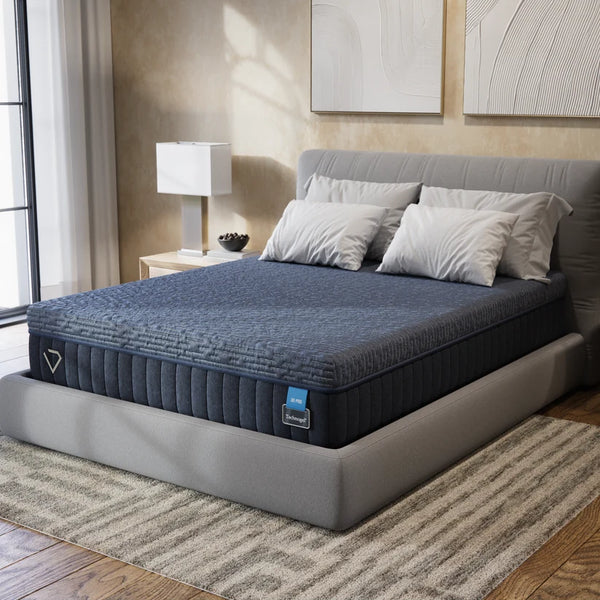
The Sleep Loft Luxury Cooling Mattress Protector is a practical option for shoppers seeking both protection and a cooler feel. This mattress protector is built to fit neatly over the mattress and support a smoother sleep surface. It also aims to complement cooling bedding routines by focusing on comfort at the surface level.
The Sleep Loft Luxury Cooling Mattress Protector

When selecting a hypoallergenic mattress cover, it is common to look for a protector that supports hygiene and surface freshness. Cooling features can matter for many sleepers, particularly when the protector adds a noticeable layer. For shoppers who want both protection and temperature support, choosing a protector designed for comfort at the top surface can reduce the likelihood of heat retention.
If you are comparing styles, start by checking the protector’s intended mattress coverage and closure type. A well-fitting protector should remain secure as you move. You should also confirm how the protector handles regular washing. A dependable washing routine is central to long-term bedding freshness and performance.
To explore related bedding comfort systems, you may also review mattress options that emphasize cooling and breathable construction. For example, you can compare hybrid comfort builds from Deluxe Chill Hybrid or review a cooling-focused comfort option such as Snow Cooling Hybrid. These references can help you align your protector choice with the feel and temperature profile of your mattress.
Did You Know?
- Many irritants are not visible to the eye, yet they can accumulate in bedding layers over time.
- Barrier performance depends heavily on fabric structure, seam finishing, and edge fit.
- Breathability matters because comfort is a key driver of consistent sleep quality.
- Regular washing of sheets and protectors can support a cleaner sleep environment.
Pros & Cons Analysis
Below is a balanced view of benefits and limitations to help you choose a hypoallergenic mattress cover with realistic expectations.
- Pros
- Helps create a protective layer that can reduce exposure to dust and debris trapped in bedding.
- Supports a cleaner mattress surface between sheet changes.
- Can help prevent wear from daily friction and minor spills.
- Improves consistency when you prefer a stable feel with fewer surface disruptions.
- Cons
- Some covers may slightly change the surface feel if the fabric is thick or tightly structured.
- If the cover does not fit properly, edges may gap and reduce barrier value.
- Cooling performance varies by material and your room temperature.
- Durability depends on washing habits and the cover’s material construction.
How to Choose the Right Cover
The best hypoallergenic mattress cover selection depends on your sleep priorities and how your bedding is managed. Use the following criteria to evaluate options more confidently.
1) Prioritize effective barrier construction
Look for covers described as allergen barrier protectors, dust-blocking covers, or tightly woven fabric designs. The key idea is that the material should limit particle passage. In many cases, seam construction also matters because gaps at stitched areas can allow unwanted airflow. A cover with reinforced stitching and secure edge design typically performs better in real-world use.
2) Select comfort-forward materials
A barrier that feels uncomfortable can undermine your sleep routine. Consider fabric hand-feel, thickness, and how the cover drapes over the mattress. Many shoppers prefer smooth, breathable surfaces that do not create a noticeable crinkling sound or friction against fitted sheets.
3) Confirm mattress depth compatibility
Mattresses vary in height. A cover with deep pockets or adjustable fit reduces the risk of shifting. If you own a mattress with a topper, include the added height when evaluating fit. A cover that is too shallow may lift at the corners.
4) Choose easy care for long-term consistency
Hypoallergenic covers only deliver consistent value when you maintain them. Confirm washing instructions and drying recommendations before purchase. For example, if you prefer a fast laundry cycle, prioritize covers that maintain performance after repeated cleaning.
5) Match your mattress comfort profile
Your mattress choice influences how a protector feels. If your mattress has a plush top or a cooling surface, you may prefer a cover that adds minimal additional texture. If your mattress has a firmer surface, you may prefer a cover that slightly softens the top feel without reducing airflow.
For shoppers exploring different mattress comfort profiles, it can be helpful to compare material types and firmness levels. Consider browsing comfort options such as Leesa Reserve Hybrid to understand how hybrid designs can change the overall sleep feel when paired with a protector system.

Choice checklist icons: fit depth, seam quality, easy wash
Fitting and Care Best Practices
Proper installation and cleaning help preserve the barrier value of a hypoallergenic mattress cover. While the cover cannot replace regular sheet washing, it can reduce the amount of debris that reaches your mattress surface. Use the steps below to maximize performance.
Installation checklist
- Place the cover on the mattress first, before sheets and any topper if applicable.
- Pull fabric at the corners firmly so the elastic sits under the mattress edge without tension points.
- Smooth the surface to remove wrinkles that can create uneven contact.
- Confirm that seams lie flat and do not lift at the perimeter.
- Recheck fit after the first night, particularly if you frequently move bedding during changing.
Cleaning routine
- Wash the protector on a schedule that matches your household needs, then dry according to care instructions.
- Use detergent recommendations that preserve fabric performance and avoid residue buildup.
- Replace the cover if it shows thinning, tears, or repeated loss of fit.
- Maintain a consistent sheet washing routine because sheets remain the layer with direct skin contact.
When to replace the cover
Even a well-designed protector can lose performance after repeated wear. Replace it if you notice persistent shifting, a degraded surface texture, or visible damage. If the cover no longer stays secured around the edges, allergen barrier value can decrease. Replacement is often the most cost-effective way to restore a stable and hygienic sleep system.
For shoppers who also invest in mattress comfort and hygiene layers, you may consider reviewing mattress protectors and bedding systems from the same brand ecosystem. This can simplify compatibility across layers. You can also explore mattress protector-focused options through the broader product lineup at The Sleep Loft to align materials and care preferences.
FAQ Section
How does a hypoallergenic mattress cover help with dust and debris?
A hypoallergenic mattress cover acts as a physical barrier. It uses tightly structured fabric and reinforced construction to reduce the passage of dust and debris toward the sleep surface. Proper fit is essential so the cover remains sealed around the mattress edges and stays smooth during normal movement.
Will a hypoallergenic mattress cover change the feel of my mattress?
It can, depending on thickness, fabric texture, and overall design. Many covers are engineered to remain low-profile and breathable, but some may add a slight layer feel. Selecting a comfort-focused protector and ensuring correct fit typically helps minimize changes to the mattress feel.
How often should I wash a mattress cover?
Washing frequency depends on household needs, humidity, and your bedding routine. A consistent approach supports cleaner bedding and reliable surface freshness. Follow the care instructions for the specific cover you choose, and maintain regular sheet washing as the primary skin-contact layer.
Can I use a mattress cover with a topper?
Yes, but you must ensure the cover depth and fit accommodate the combined height. Many mattress covers are designed to work with standard mattress profiles, and toppers can affect edge coverage. Measuring mattress height and choosing a cover with sufficient pocket depth can help maintain secure installation.
Conclusion & CTA
A hypoallergenic mattress cover is a practical addition to a hygiene-first bedding setup. It can help limit particle contact at the sleep surface, support cleaner mattress care between washes, and enhance comfort when the cover is breathable and properly fitted. If you want a balanced combination of protection and a cooler sleep experience, consider a comfort-forward option such as Luxury Cooling Mattress Protector to complement your mattress system.
To build a complete sleep setup, you can also explore mattress choices and care-focused bedding layers at The Sleep Loft. The Sleep Loft Showroom is ready for you to try your favorite online beds before you buy. Conveniently located in New York & New Jersey at 338 2nd Street, Jersey City.
Disclaimer: This article is for general informational purposes and does not provide medical advice. For allergy or asthma concerns, consult a qualified healthcare professional for personalized guidance.
About the Author Section
The Sleep Loft - Online Mattress Showroom provides guidance rooted in comfort-focused product selection and practical bedding care. The author team specializes in mattress education, protector compatibility, and helping customers choose sleep systems that feel good and fit correctly. For additional support, visit The Sleep Loft and explore current sleep options. Thank you for reading, and may your sleep setup feel cleaner, cooler, and more comfortable.
The content in this blog post is intended for general information purposes only. It should not be considered as professional, medical, or legal advice. For specific guidance related to your situation, please consult a qualified professional. The store does not assume responsibility for any decisions made based on this information.