

Updated on: 2026-09-22
Choosing the right mattress and sleep accessories is one of the most practical ways to improve nightly comfort. High-quality sleep products support pressure relief, temperature balance, and dependable edge-to-edge support. The best results come from matching materials and construction to your sleeping position, firmness preference, and comfort priorities. This guide explains common buying challenges, compares popular categories, and offers a clear selection method you can use today.
1. What High-Quality Sleep Products Mean
High-quality sleep products are designed to deliver consistent comfort night after night. Quality is not limited to fabric softness. It also includes how well a bed manages your body weight distribution, how it supports your spine alignment, and how it maintains a stable feel over time. When these elements align, sleep becomes easier to start and more comfortable to sustain.
In practice, quality shows up in three areas. First, construction should reduce uncomfortable pressure points, especially around shoulders, hips, and lower back. Second, materials should control heat buildup so you can stay within a comfortable temperature range. Third, durability should be strong enough to avoid premature sagging, loss of support, or uneven wear.
Because every sleeper differs, the most effective high-quality sleep products are the ones that match your body mechanics and preferences. The goal is not simply the “softest” or “firmest” option. The goal is balanced support with a comfortable surface.

Pressure mapping icons over neutral spine alignment
2. Common Challenges When Buying Sleep Products
Many shoppers face predictable obstacles when selecting a mattress or sleep accessory. Understanding these issues early can reduce returns and improve decision quality.
Challenge: Overlooking the true comfort target
Comfort is often misunderstood as surface softness alone. A bed can feel plush at first and still fail to support your midsection, leading to alignment issues. Instead, evaluate comfort as a combination of cushioning and support. Look for materials that respond to your shape while still keeping your torso and hips aligned.
Challenge: Choosing firmness without context
Firmness preferences vary by body size and sleeping position. Side sleepers often need more cushioning at the shoulders and hips to reduce pressure. Back sleepers typically benefit from an even balance of contouring and support. Stomach sleepers usually require a supportive feel to prevent excessive sink. A single firmness label cannot fully capture these differences.
Challenge: Ignoring airflow and heat retention
Sleep products that trap heat can lead to restless nights. Even a well-supported bed may feel uncomfortable if airflow is limited or if foam holds warmth. Materials such as breathable covers, responsive foams, and ventilation-focused designs can help manage temperature.
Challenge: Confusing motion isolation with total stability
If you share a bed, motion transfer can disrupt sleep cycles. Hybrid designs often balance responsiveness and isolation, while foam-forward builds can further reduce movement. The key is to consider how much motion you need to minimize and how quickly you want the bed to respond when you shift positions.
3. Materials and Construction: What to Look For
Construction details help predict performance. While comfort remains personal, certain engineering choices consistently influence the feel and longevity of a sleep system.
Support core design
A supportive base reduces sink and helps maintain alignment. In hybrid mattresses, innerspring systems can provide responsive support, while layered foams can add contour. A quality support core resists premature sagging and keeps the bed’s feel more stable over time.
Comfort layer function
The comfort layer shapes the surface experience. It should cushion pressure points without collapsing too quickly. Look for foams and padding that maintain structure and distribute weight evenly. If a comfort layer breaks down early, you may feel uneven support within a short period.
Cover and edge-to-edge performance
A breathable cover can influence temperature and overall feel. Edge support matters for people who sit near the bed’s perimeter or share the bed and need usable sleeping space across the full surface. Consider whether the perimeter feels stable enough for your routine.
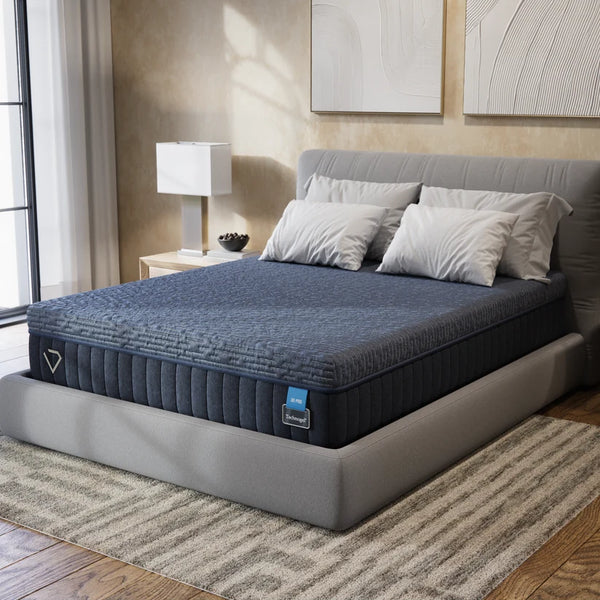
If you are comparing well-known options, you can review specific product categories on The Sleep Loft to understand how different comfort layers and support designs translate into real sleeping experiences. For instance, the Sapira Chill Hybrid Mattress is positioned for a balanced feel, while the Deluxe Chill Hybrid Mattress emphasizes cooling-oriented comfort. These examples can support your evaluation, but the correct selection depends on your own comfort priorities.
4. Temperature Control and Motion Isolation
Temperature and movement patterns influence sleep quality. Even high-quality sleep products may not feel right if they cannot manage heat or if they transfer motion in ways that disturb your sleep partner.
Temperature control basics
Heat management starts with airflow and ends with how materials react to body heat. Breathable covers, ventilated layers, and responsive comfort materials can improve heat dissipation. Additionally, surface designs that prevent deep heat trapping can help reduce the cycle of discomfort and repositioning.
Motion isolation considerations
Motion isolation is most important for light sleepers. Foam systems often reduce motion more than highly responsive surfaces. Hybrid systems can still perform well, especially when comfort layers include motion-damping materials. The practical takeaway is to test for yourself by simulating typical movements, such as changing positions or turning over.
Sleep position matching
Temperature needs also differ by sleep position. Side sleepers tend to benefit from cooling comfort at pressure points. Back sleepers often need support that keeps the hips from sinking too far. Stomach sleepers may require firmer support to reduce back strain and maintain alignment. When you match both temperature and support needs, comfort improves significantly.

Thermal gradient icons with separated motion waves
5. Comparison of Sleep Product Types
Different categories offer different trade-offs. The most effective choice depends on your comfort goals, not marketing claims. Use this comparison to narrow your options quickly.
| Type | Strengths | Potential Limits |
| Hybrid (foam + coils) | Balanced support, often strong edge support, typically good airflow, responsive feel | May feel less contouring than foam-forward builds for some side sleepers |
| All-foam | Often excellent motion isolation, consistent contouring, pressure relief-focused feel | May retain heat more than ventilated systems unless designed for cooling |
| Latex-forward | Durable comfort, responsive bounce, often strong temperature neutrality | Some sleepers may find the feel too buoyant if they prefer deep sinking |
| Organic or natural-material-focused | May appeal to shoppers seeking materials with specific sourcing priorities | Performance still depends on build design; “natural” does not automatically mean “best” |
As you compare, consider your typical sleep habits. If you frequently change positions, responsiveness and support consistency become more important. If you share the bed, motion isolation and stability matter more.
If you prefer a more traditional supportive feel, you may want to evaluate coil-based options. If you prefer close contouring, you may want to prioritize foam-forward designs. To explore a variety of constructions available through The Sleep Loft, you can also review Eco Organic Mattress and Luxury Organic Mattress for construction approaches that emphasize natural-material sourcing while still focusing on comfort engineering.
6. A Practical Selection Framework
You can make confident decisions by following a structured process. This approach works for mattresses, toppers, and pillows, because it focuses on comfort mechanics.
Step 1: Define your comfort outcome
Start with your most important discomfort signal. Common signals include shoulder pressure, hip sinking, morning back stiffness, or heat buildup. Assign one primary target and one secondary target. This prevents indecision caused by comparing too many attributes at once.
Step 2: Match your sleeping position
Use your most frequent position as a baseline. Side sleepers generally need more surface contour and cushioning. Back sleepers usually benefit from support that keeps the spine aligned. Stomach sleepers often require firmer support to reduce excessive lumbar curvature.
Step 3: Choose firmness based on alignment, not rankings
Firmness ratings vary across brands. Instead of relying on a single number, consider how the bed behaves under your weight. A suitable bed should feel stable in the midsection and allow pressure relief at contact points.
Step 4: Confirm temperature and airflow fit
If you sleep hot, prioritize designs that encourage airflow and surface breathability. If you sleep cold, prioritize comfort layers that maintain warmth without trapping excessive heat. In either case, an appropriate temperature profile supports deeper, more continuous sleep.
Step 5: Evaluate edge support and movement patterns
If you sit on the edge of the bed or frequently change positions, edge support influences perceived stability. For shared sleeping, movement damping reduces interruptions. These aspects are often overlooked but they can strongly affect real-world comfort.
Step 6: Validate with a safe testing process
Whenever possible, test in a realistic way. Spend enough time to feel how the bed responds during typical movements. If you purchase online, ensure the policy supports trying the product at home. A safe testing period reduces risk and helps you confirm that the sleep product aligns with your comfort goals.
7. Summary & Recommendations
High-quality sleep products are built on performance fundamentals: pressure relief, dependable support, and responsible temperature management. The best choice is determined by how materials and construction respond to your body, your sleeping position, and your comfort priorities.
For most shoppers, hybrid and foam-forward categories provide different balance points for support and contouring. If you sleep hot, prioritize airflow and temperature-friendly design. If you share your bed, prioritize motion control and stability. Finally, validate your selection through a testing approach that reflects your real nightly habits.
If you would like additional guidance, consider exploring options through The Sleep Loft to compare sleep product categories and understand how different builds can feel in practice. Their showroom experience can also help you narrow decisions with more confidence before purchase.
8. Q&A
How do I know whether a mattress is truly high-quality for my body?
A high-quality mattress should reduce pressure at contact points while keeping your spine aligned. If you experience persistent shoulder or hip pressure, you may need more contouring. If you feel excessive sink or morning stiffness, you may need stronger midsection support. The best indicator is how the bed performs during your typical sleep movements.
Are cooling features worth it if I do not consider myself a hot sleeper?
Cooling features can still improve comfort by preventing temperature swings. Even moderate heat buildup can lead to restless sleep. If you notice you wake up feeling warm or you shift positions frequently, cooling-oriented designs can support a steadier sleep environment.
What is the best approach for couples with different comfort preferences?
Couples benefit from balancing motion isolation and pressure relief for both partners. If one person is sensitive to movement, a design with strong motion damping can help. If one person prefers firmer support and the other prefers softer contouring, prioritize a build that offers pressure relief without excessive sinking. Testing in a realistic manner can reveal whether shared comfort goals are met.
Do pillows and toppers count as high-quality sleep products?
Yes. Sleep accessories influence alignment, pressure distribution, and temperature at the head and neck. A suitable pillow supports neutral positioning, and a topper can fine-tune comfort without replacing the entire system. When chosen carefully, accessories can extend mattress comfort and improve consistency.
How often should sleep products be replaced?
Replacement timing depends on material performance and how the bed responds over time. Visible sagging, uneven wear, loss of support, or persistent discomfort are signals that the product is no longer meeting your needs. A structured evaluation of comfort and support every so often helps you decide whether replacement is necessary.
Disclaimer
This article provides general information about choosing sleep products. It is not medical advice and does not diagnose, treat, or prevent any condition. Individual comfort preferences and outcomes vary. For persistent discomfort or health concerns, consult a qualified healthcare professional.
About the Author
The Sleep Loft - Online Mattress Showroom is an online mattress retailer with showroom experience, focused on helping customers find comfortable sleep systems. Our team specializes in mattress and bedding education, including how construction, comfort layers, and temperature management can affect everyday sleep quality. We invite you to compare options, test thoughtfully, and choose the sleep solution that best fits your routine. Thank you for reading, and we look forward to supporting your next step toward better rest.
The content in this blog post is intended for general information purposes only. It should not be considered as professional, medical, or legal advice. For specific guidance related to your situation, please consult a qualified professional. The store does not assume responsibility for any decisions made based on this information.