

Updated on: 2026-05-24
Choosing high-quality sleep products can improve comfort, support better rest, and reduce daily fatigue. The right mattress, pillow, and bedding should match your sleeping position and body needs. Quality also matters because materials affect temperature balance, motion comfort, and long-term durability. Use this guide to select products with clear criteria and avoid common buying mistakes.
1. Understanding High-Quality Sleep Products
High-quality sleep products are designed to support restful sleep through sound engineering, durable materials, and comfort that matches real body needs. When shoppers focus only on appearances, they often miss key performance factors such as pressure relief, airflow, and motion isolation. These factors influence how quickly you fall asleep, how often you wake, and how fresh you feel in the morning.
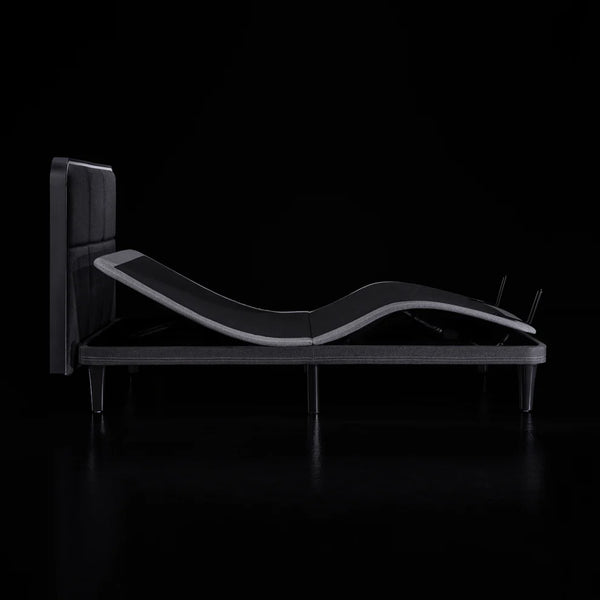
A mattress is the centerpiece, but it rarely works alone. Pillows, toppers, sheets, and even foundations or bed frames affect alignment and comfort. For example, a supportive mattress may still feel uncomfortable if the pillow height does not match your head and neck posture. Likewise, a comfortable pillow cannot correct poor mattress support for your hips or shoulders.
To identify quality, treat the purchase as a system. Look for products that balance support and comfort while maintaining a stable feel over time. Consider your preferences for firmness, temperature regulation, and noise level. If you share a bed, prioritize motion comfort so sleep is not disturbed by movement.
Many shoppers also compare brands, but quality is not restricted to one manufacturer. It is usually reflected in construction choices, material transparency, and consistent performance. If you want a practical way to explore options, you can also review curated selections at Deluxe Chill Hybrid Mattress and other top picks from The Sleep Loft. Testing comfort in person can also help you avoid guesswork.
2. How to Choose Based on Your Sleep Style
Sleep position strongly affects what your body needs. Side sleepers often require more pressure relief at the shoulders and hips because these areas take the brunt of body weight. Back sleepers typically need balanced support that keeps the spine neutral. Stomach sleepers often require careful firmness selection so the hips do not sink too far, which can strain the lower back.
Body type also matters. Taller individuals may need enough length to avoid uncomfortable edge pressure. Heavier sleepers usually benefit from stronger support layers so the mattress maintains alignment with less sag. Lighter sleepers may prefer slightly softer comfort layers that cushion the body without excessive sink.
If you sleep hot, prioritize temperature management. Many high-quality sleep products include design choices that encourage airflow, reduce heat retention, and support a cooler surface feel. Cooling performance also depends on your bedding. Tight-fitting sheets, thick comfort layers, and certain materials can trap warmth.
If you share a bed, motion isolation is a key comfort requirement. Motion isolation reduces how much movement travels across the mattress when your partner changes positions. For couples who wake easily, this factor can be as important as overall firmness.

Side, back, and stomach alignment icons with pressure points
3. How-To Steps
Use the steps below to choose high-quality sleep products with confidence. This approach is practical, measurable, and repeatable across mattress types and accessories.
Define your top comfort goals. Choose two priorities such as pressure relief, cooler sleep, or reduced partner motion. This narrows your options and prevents indecision.
Start with your sleeping position. If you sleep on your side, target balanced cushioning plus supportive core support. If you sleep on your back, aim for even support from shoulders to hips. If you sleep on your stomach, choose firmness that helps keep the hips aligned.
Set a firmness range, not a single number. Many people make the mistake of chasing one exact firmness label. Instead, compare feel and support characteristics. A medium feel can differ greatly between models.
Check pillow compatibility. Your mattress comfort can be undermined by a pillow that is too high or too low. Test your pillow height so your neck stays neutral. If you use multiple pillows, confirm that you are not creating an upward tilt.
Evaluate temperature performance. Read design features related to airflow and thermal comfort. Consider mattress surface feel and how it interacts with your preferred bedding.
Assess motion and edge comfort. If you share a bed, confirm whether movement transfers. If you sit or sleep near the edge, prioritize edge support that feels stable.
Consider durability indicators. Look for construction that uses layered support and comfort systems designed to maintain feel over time. Avoid assumptions and focus on how materials are intended to perform.
Compare at least three options with a consistent test routine. Lie down in your usual position for several minutes. Breathe evenly and evaluate alignment, pressure points, and comfort stability.
Confirm delivery and return policies. A quality purchase includes clear policies so you can adapt if comfort requirements change after initial use.
For shoppers who want a structured way to compare, you can explore models such as Leesa Reserve Hybrid Mattress or Sapira Chill Hybrid Mattress to compare hybrid comfort, support, and cooling-related design features.
4. Materials and Performance Features That Matter
Quality is rarely accidental. The materials and construction choices determine how a product feels, breathes, and holds up. While shoppers may focus on surface softness, the most important question is how the comfort layers interact with support layers.
Hybrid systems commonly combine responsive elements with supportive layers. This can contribute to a balance of cushioning and support, often with improved airflow compared to fully encased foams. If you prefer buoyant comfort, hybrids may better match your feel preference.
Foam-based designs can offer contouring pressure relief. If you choose foam, evaluate whether the design supports temperature management and whether the comfort layer provides enough cushioning without excessive sink. Some buyers also prefer advanced cooling features for reduced heat buildup, especially in warm rooms.
Organic or naturally sourced materials may be selected for shoppers who prefer specific sourcing philosophies. When considering Luxury Organic Mattress or Eco Organic Mattress, focus on how the materials contribute to comfort and durability, as well as how the overall design supports sleep posture.
Edge support and stability are also performance factors. Strong edge support improves usability and reduces the feeling of rolling off the bed. Couples often benefit from edge stability because it gives more reliable sleeping space.
Finally, consider sound and motion. Some constructions can produce minimal noise, which is important for light sleepers. Motion isolation can be improved when comfort layers reduce the transfer of movement.
5. Maintenance and Longevity for Better Rest
Even the best high-quality sleep products require proper care to maintain comfort and performance. Regular maintenance can also help you recognize issues early, such as uneven wear or changes in support feel.
Start with a protective mattress cover to reduce dust accumulation and improve hygiene. Use a breathable cover when possible to support airflow. Wash and replace bedding on a consistent schedule to reduce allergens.
Rotate your mattress if the design supports rotation. Many mattresses benefit from rotating head-to-toe, which can promote even wear. If your model is designed for non-rotation use, follow those care guidelines rather than assuming a universal rule.
Check for sagging or uneven impressions. If you notice persistent body impressions that affect alignment, it can indicate comfort layer wear. Early recognition helps prevent continued discomfort.
Maintain correct bed foundations. Using a compatible base can influence how support layers perform. An unstable or inappropriate foundation can reduce comfort and increase wear.
For pillows, replace them when they no longer support neutral alignment. Pillow flattening can cause neck strain even if the mattress remains supportive. Many people also benefit from a pillow protector to improve cleanliness and lifespan.

Care checklist icons for rotation, protection, and cleaning
6. FAQ
What makes high-quality sleep products different from standard options?
High-quality sleep products are built with construction choices that support comfort, durability, and performance consistency. This includes layered support that maintains alignment, materials that help manage temperature, and design features that reduce motion transfer. Quality also includes clearer information about how the product is intended to feel and perform over time.
How can I tell whether a mattress will support my sleep position?
You can evaluate support by testing your posture in your usual sleeping position. Side sleepers should feel pressure relief at shoulders and hips while maintaining stable core support. Back sleepers should experience even support that keeps the spine neutral. Stomach sleepers generally need a firmness level that prevents the hips from sinking too far.
Are cooling features worth prioritizing if I sleep warm?
Yes, cooling features can be valuable when heat retention disrupts comfort. Look for design choices that support airflow and a surface feel that does not trap warmth. Also consider your bedding materials and room conditions, because mattress cooling performance is influenced by the complete sleep environment.
7. Closing Thoughts
Selecting high-quality sleep products is not only about finding a pleasant feel. It is about creating a full sleep system that supports your posture, manages temperature, and maintains performance through real-world use. Use the steps in this guide to compare products consistently and to match comfort features to your specific needs. When you are ready, you can also test options before purchase at The Sleep Loft, where you can try online beds in a comfortable in-store setting.
The Sleep Loft Showroom is ready for you to try your favorite online beds before you buy. Conveniently located in New York and New Jersey. Our mattress store offers a large, comfortable space with ample parking and an easy to find, convenient location. Our New location at 338 2nd Street, Jersey City.
Make your next sleep purchase with clarity and practical criteria. Better alignment and comfort often lead to more consistent rest, which is the outcome that matters.
8. About the Author Section
The Sleep Loft - Online Mattress Showroom focuses on helping customers make informed decisions about comfort, materials, and sleep posture. The team has expertise in mattress selection and customer guidance, with a practical approach to matching products to real sleeping needs. They support shoppers through transparent comparisons and a showroom experience designed to reduce guesswork. Thank you for choosing The Sleep Loft; take the next step and test what fits your body.
Disclaimer: This article is for general informational purposes and does not provide medical advice. Individual comfort needs vary, and sleep experiences depend on personal preferences, body mechanics, and the overall sleep environment. Always review product care guidelines and warranty terms before purchase.
The content in this blog post is intended for general information purposes only. It should not be considered as professional, medical, or legal advice. For specific guidance related to your situation, please consult a qualified professional. The store does not assume responsibility for any decisions made based on this information.