
Updated on: July 10, 2026
Table of Contents
- Introduction
- Product Spotlight: Sleep systems built for feel-good comfort
- Comfort first: what “comfortable mattresses” really means
- Myths vs. Facts about comfort and support
- Use cases: who each comfort style is for
- Comfort and temperature control
- What shoppers say after switching
- How to choose the right mattress comfort level
- Frequently Asked Questions
- Final Recommendations
- Q&A
- About the Author
Introduction
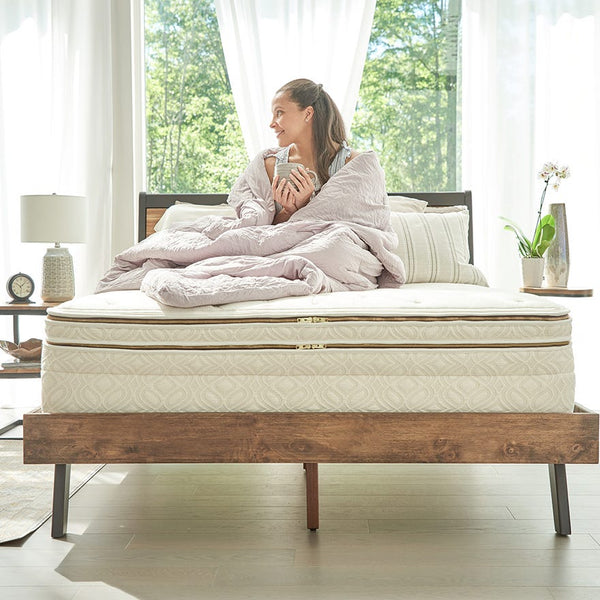
If you have ever woken up with a stiff back, felt too hot at night, or worried that your mattress is “just not it,” you are not alone. Finding comfortable mattresses is about more than softness. It is about getting the right balance of support, pressure relief, and airflow so your body can relax instead of compensate all night.
In this guide, you will learn how to compare comfort styles, how to match a mattress to your sleep position and body needs, and what to look for when you want a safer-feeling choice. You will also see real-world shopping insights, plus clear next steps to help you pick your best option faster.
Product Spotlight: Sleep systems built for feel-good comfort
Comfort comes from the materials working together. Some people love the responsive feel of a hybrid design, while others prefer the gentle cradle of foam. If you want a practical path to better sleep, a curated selection helps you narrow choices without guesswork.
- Hybrid support: For sleepers who want bounce plus targeted contouring.
- Pressure relief layers: For comfort at shoulders and hips, especially when you sleep on your side.
- Cooling features: For nights when warmth builds up and sleep feels restless.
- Breathable comfort: For airflow that helps the mattress stay fresh.
If you are ready to compare feel and support, explore these popular options at The Sleep Loft and choose the comfort profile that fits your routine.
Try a cooling hybrid option when temperature control is your biggest pain point.
Choose a supportive hybrid feel if you want a balanced, all-night response.

Layered comfort diagram: support base, comfort top, airflow paths
Comfort first: what “comfortable mattresses” really means
Many shoppers think comfort is only about how soft the top feels. Soft can be good, but comfort also depends on stability. A mattress that sinks too much can leave your spine out of alignment. A mattress that is too firm can put pressure on shoulders, hips, and knees. The most comfortable feel is usually a combination: cushioning where you need it, support where you do not want to sink.
Here are the comfort signals to watch for during testing:
- Even weight distribution: You should feel held up, not trapped.
- Pressure relief: Less “digging in” at high-contact areas.
- Easy repositioning: You should be able to change sleep positions without fighting the surface.
- Stable bounce: When you sit or get out of bed, the mattress should recover quickly.
Comfort style: foam, hybrid, and natural materials
Comfort can look different depending on construction. Foam tends to cradle and reduce motion transfer. Hybrid builds often add a responsive layer for easier movement. Natural materials often appeal to shoppers who want a sleep surface that feels grounded and breathable.
If you are drawn to plant-based comfort and a supportive feel, consider Avocado Green for an organic-leaning approach to comfort.
Myths vs. Facts about comfort and support
Shopping gets harder when myths spread faster than facts. Let us clear the noise so you can choose with confidence.
Myth: The softest option is always the most comfortable
Fact: Comfort is personal. Side sleepers often need pressure relief, but they also need enough structure to keep the hips from sinking too far. Many shoppers feel best with a medium or medium-firm profile that cushions without collapsing.
Myth: Firm mattresses are only for back sleepers
Fact: Firm can work for any sleep position when the comfort layer is well designed. If you like a firmer feel, look for models that still provide cushioning at key contact points.
Myth: Cooling features are only for warm climates
Fact: Temperature depends on your body and your sleep habits, not just the weather. Cooling comfort can also help if you wake up sweaty, move more at night, or feel “stuck in heat” by morning.
Use cases: who each comfort style is for
Instead of treating every mattress like a one-size-fits-all choice, match comfort to your routine. Here are practical scenarios that can guide you.
Side sleepers who want less shoulder and hip pressure
If you sleep on your side, you need cushioning that helps your shoulder and hip feel supported. Look for comfort layers that reduce pressure and a base that keeps your spine aligned. A well-balanced hybrid is often a strong fit because it provides both contouring and stability.
Back sleepers who want gentle support and a neutral feel
Back sleeping often calls for support that maintains a comfortable posture. You usually want a mattress that feels supportive under the lower back without being so firm that it becomes uncomfortable.
If you are exploring foam-forward comfort with a stable feel, consider Casper One as a starting point for a simpler comfort profile.
Combination sleepers who move during the night
If you change positions often, aim for a mattress that makes repositioning easier. Responsive layers can help you shift without feeling stuck in slow rebound. If motion bothers you, motion isolation can also matter for shared beds.
For many shoppers, a hybrid design gives the “easy move” feel while still offering pressure relief. Sapira Chill Hybrid is often considered when cooling plus responsiveness is a priority.
Comfort and temperature control
Comfort is not just what you feel when you lie down. It is also what you feel when you are trying to fall asleep and stay there. If your current mattress holds heat, you may toss and turn even when the firmness feels right.
Temperature-friendly comfort usually comes from airflow and smart materials. Look for features that encourage breathability and help manage heat. Cooling technology can also pair with supportive layers so comfort stays consistent throughout the night.

Airflow concept: cool air arrows through breathable layers
What shoppers say after switching
While every body is different, patterns show up when people share their experience. Here are themes that match common customer stories about switching to a more comfortable setup.
- “My mornings feel calmer.” Many shoppers report waking with less stiffness after choosing a mattress that supports alignment and reduces pressure.
- “I stop thinking about my bed.” When comfort is stable, fewer micro-adjustments are needed, which can make it easier to fall asleep.
- “The bed feels cooler at night.” People who tried cooling-forward options often mention fewer wake-ups tied to heat.
- “We finally agree on comfort.” Couples frequently mention that a balanced mattress helps both partners feel comfortable, even if they prefer different firmness.
For shoppers who want a more organic-leaning build or a mattress that focuses on breathable comfort, you might compare options like Eco Organic and read customer experiences to find your best match.
How to choose the right mattress comfort level
Use a quick checklist to narrow down your ideal feel. This reduces decision fatigue and makes your final pick easier.
1) Start with your sleep position
- Side: Prioritize pressure relief and cushioning.
- Back: Prioritize neutral support for the lower back.
- Stomach: Prioritize stability to prevent excessive sinking.
2) Consider your body weight range
Heavier sleepers often need more support to avoid sink. Lighter sleepers often benefit from comfort layers that cradle gently. When in doubt, choose a mattress that offers a supportive base and a comfort layer designed for contouring.
3) Think about your “feel” preference
- Cradling comfort: Often associated with foam comfort.
- Balanced bounce: Often associated with hybrid construction.
- Earthy, breathable feel: Often associated with natural material approaches.
4) Evaluate edge support if you share a bed
If you move around or share a mattress, edge support can affect comfort. A mattress with better edge stability can help you sit and sleep more evenly across the surface.
5) Pay attention to temperature and motion needs
If you wake up warm, focus on cooling-forward builds. If your partner moves a lot, look for motion reduction so your sleep stays undisturbed.
Frequently Asked Questions
Q: How do I know if a mattress will feel comfortable before buying?
Look for a comfort profile that matches your sleep position, and compare materials that support pressure relief and stable alignment. If you can test in-store, spend time in your usual sleep position and note pressure points.
Q: Should I choose medium-firm or softer comfort?
Medium-firm is a common starting point because it often balances cushioning and support. Softer can work if you need more pressure relief, but avoid choices that allow your hips to sink too far.
Q: Are cooling features worth it?
If you often feel hot, wake up sweaty, or toss and turn in warm weather, cooling comfort can help you stay asleep longer and feel more settled.
Q: What about couples with different firmness preferences?
A balanced mattress that offers both support and gentle contouring can help each partner find comfort. Hybrid designs are often a popular compromise because they combine pressure relief with responsiveness.
Final Recommendations
When you shop for comfortable mattresses, aim for a match between your body, your sleep position, and your feel preference. If you want one clear path, start here:
- Choose a comfort level that prevents excessive sink while still cushioning shoulders and hips.
- Prioritize temperature control if you wake up warm or restless.
- If you sleep with a partner, consider motion and edge support for everyday ease.
- Pick materials that align with how you like to move in bed: cradling foam, responsive hybrid, or breathable natural comfort.
Ready to move from “maybe” to “finally”? Browse top comfort picks at The Sleep Loft and compare feel in a way that fits your routine. If you prefer a cooling hybrid vibe, you may like DreamCloud Premier Hybrid. If you want a dependable foam-forward option, explore Casper Dream Hybrid for a balanced build.
Disclaimer: Product details and comfort results can vary by person. Always check product specifications, care instructions, and return policies before purchasing. This article is for general education only and does not provide medical advice.
Q&A Section
What is the fastest way to find a more comfortable mattress feel?
Start by choosing based on sleep position, then filter by comfort level and temperature needs. If side sleeping is your norm, prioritize pressure relief. If heat is a problem, choose a model designed for better airflow and cooling comfort. Narrowing like this reduces trials.
Will a mattress with a balanced comfort feel help if I sleep on more than one side?
Yes, many combination sleepers prefer a mattress that supports repositioning. A responsive hybrid or a foam model with stable base support can make it easier to shift without losing alignment.
How can I tell if a mattress is supportive enough?
When you lie down, you should feel pressure relieved but not sinking. Pay attention to your hips and lower back. If you notice excessive sink or you feel lifted unevenly, move toward a firmer support core or a mattress with a sturdier base.
About the Author
The Sleep Loft - Online Mattress Showroom
Hi, I am part of The Sleep Loft - Online Mattress Showroom team. We focus on matching sleepers with the right comfort style, from cooling hybrids to breathable natural builds. Our expertise comes from helping customers compare feel, understand firmness preferences, and choose with clarity—without the guesswork. Thanks for reading, and we hope you find a mattress setup that makes bedtime feel effortless.
The content in this blog post is intended for general information purposes only. It should not be considered as professional, medical, or legal advice. For specific guidance related to your situation, please consult a qualified professional. The store does not assume responsibility for any decisions made based on this information.