Updated on: 2026-07-06
This guide helps you choose a comfortable firm feel mattress that supports your body while still letting you sink just enough to feel relaxed. If you wake up sore or feel pressure at your shoulders and hips, the right balance of firmness and comfort can make a real difference. You’ll learn what “comfortable firm” means, how it supports different sleep positions, and how to match your needs to the feel you want. By the end, you’ll have a simple checklist for selecting your ideal mattress and a few product options to consider.
Table of Contents
Comfortable Firm Feel Mattress Basics
A comfortable firm feel mattress is built for people who want support without feeling like they are sleeping on a hard board. The “firm” part helps keep your spine aligned. The “comfortable” part makes pressure relief feel natural, especially around shoulders, hips, and lower back.
Think of it as a steady middle ground: your body won’t sink too far, but you still get a cushioned surface that helps you relax. That balance is why many shoppers choose this feel when they switch from overly soft beds or when they want more stability for everyday movement.
What “comfortable firm” usually means
- Supportive core: Helps maintain alignment across your midsection and lower back.
- Responsive top layer: Adds comfort and reduces that “stuck” feeling some firmer beds can have.
- Balanced surface pressure: Reduces hot spots where your body presses hardest.

Spine alignment with cushioned contact points
Myths vs. Facts
-
Myth: A firm mattress must be uncomfortable.
Fact: Comfortable firm designs use pressure-relief materials to prevent soreness and numbness. -
Myth: Firm equals zero sink.
Fact: Most quality options include layers that let your body settle slightly while keeping the core supportive. -
Myth: If you like comfort, you should avoid support.
Fact: Support is what helps you wake up feeling less twisted and more refreshed. -
Myth: Cooling only matters if you sleep hot.
Fact: Temperature control can support comfort for everyone by helping you stay in a steady sleep range.
Step-by-Step Guide
Use this quick process to find the right match. It’s simple, and it keeps you from guessing based on feel alone.
- Start with your main sleep position. Back, side, and stomach sleepers often need different levels of contour and support.
- Check your comfort priorities. Do you want better pressure relief, less motion transfer, or cooler sleep? Pick your top two.
- Think about your body needs. Taller, heavier, or broader-shouldered shoppers often benefit from stronger support and targeted cushioning.
- Look for a balanced layer setup. Aim for a comfortable surface plus a supportive foundation that keeps your spine in a neutral path.
- Test how you move on the bed. Sit, lie down, and change positions. You should feel steady and not overly stuck.
- Confirm the edge and stability. If you sit on the edge to put on shoes, you’ll want a stable feel that doesn’t collapse.
Product option shoppers often compare
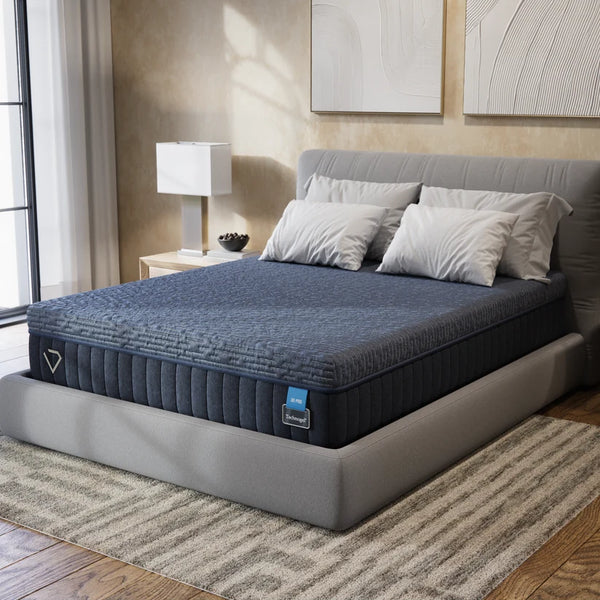
If you want a comfortable firm feel mattress with cooling comfort, many shoppers look at hybrid designs for their balance of support and airflow. Here’s one popular example available through The Sleep Loft.
Helix Twilight Luxe - Includes GlacioTex™ Cooling Cover
Explore it here: Helix Twilight Luxe. It’s a strong choice when you want a supportive feel that stays comfortable through the night.
How to Match Your Sleep Position
Your sleep position affects how pressure travels through your body. The goal is simple: keep your shoulders and hips comfortable while maintaining support where your spine needs it most.
Back sleepers
Back sleepers usually do best with a supportive surface that keeps the lower back from sagging. With a comfortable firm setup, you can maintain spinal alignment while still getting a slight top-layer give for comfort.
Side sleepers
Side sleeping creates more pressure at the shoulders and hips. A comfortable firm bed should feel stable but not punishing. Look for a surface that helps distribute weight so you don’t wake up with shoulder stiffness or hip discomfort.
Stomach sleepers
Stomach sleepers often need extra support to avoid sinking too deeply. When your bed allows too much sink, your midsection can pull out of alignment. A comfortable, firm feel helps keep the pelvis from dropping.
Cooling and Pressure Relief
Comfort is more than softness. When your mattress traps heat or creates uneven pressure, you may toss and turn. Cooling features and responsive comfort layers can help you sleep more steadily.
- Cooling cover materials: Help manage surface temperature so you stay comfortable longer.
- Airflow-friendly construction: Many hybrid designs support better breathability than all-foam options.
- Pressure-relieving comfort: Supports micro-movements without leaving you with sore pressure points.
If cooling is a priority, you may also like options built with chill-focused comfort. For example, you can compare similar styles here: Sapira Chill Hybrid.

Cool airflow symbols over a balanced sleep posture
What to Expect on Your First Night
When you switch to a comfortable firm feel mattress, your body may notice the difference immediately. That can be a good thing. The first night is often about learning how the bed handles your pressure points and how it supports your core.
Here’s what most people experience when the match is right:
- Fewer pressure hot spots: Shoulders and hips feel supported rather than squeezed.
- Steadier movement: Rolling over feels easier because the surface is responsive.
- Better wake-up comfort: Many shoppers report less lower-back stiffness once they settle in.
To increase your chances of a smooth adjustment, try sleeping in your usual position and give yourself time to notice how you feel in the morning. If you use a partner bed, also pay attention to motion transfer. Supportive, well-constructed layers usually help you feel less partner movement.
Frequently Asked Questions
Is a comfortable firm feel mattress good for both back and side sleeping?
Often, yes. The best options provide supportive core structure for back sleeping and pressure-relief comfort for side sleeping. If you mainly switch between both positions, choose a mattress that feels stable while still cushioning your shoulders and hips.
Will a firm-feeling mattress be too hard for shorter people?
Not necessarily. “Comfortable firm” focuses on support with a responsive top layer. Your best match depends on how much contour you need. If you tend to feel pressure on your shoulders or hips, look for a bed that distributes weight well rather than one that feels purely flat.
How do I know if I should go more firm or more plush?
Choose more firm support if you feel your midsection sinks or you wake with alignment issues. Choose more comfort if you wake with shoulder or hip soreness. When in doubt, aim for the balance: stable core support plus a surface that lets your body relax.
Summary & Key Takeaways
A comfortable firm feel mattress can be the sweet spot between support and comfort. You get better alignment support, reduced pressure buildup, and a sleep surface that helps you move through the night more naturally. Start with your sleep position, choose cooling and pressure relief as your priorities, and test how stable the bed feels when you change positions. If you want an easier way to compare options, visit The Sleep Loft to experience beds in person before you commit.
Shop The Sleep Loft Showroom and explore your best fit with confidence. The Sleep Loft Showroom is ready for you to try your favorite online beds before you buy, and it’s conveniently located in New York & New Jersey.
Q&A Section
What comfort level should I look for if I want a supportive yet cozy feel?
Look for a balanced build: a supportive foundation and a responsive top layer that cushions pressure points. A comfortable firm feel is usually ideal when you want stability for spinal alignment but you still want your shoulders and hips to feel relaxed.
Can a comfortable firm mattress help with back pain from poor alignment?
Supportive alignment matters for how your body feels in the morning. A well-matched comfortable firm design can help reduce excessive sink, which often supports better posture during sleep. If your pain is severe or persistent, consider discussing your needs with a qualified professional.
How important is cooling when selecting a supportive mattress?
Cooling is important when your body needs a steady sleep temperature. Even people who do not consider themselves “hot sleepers” can benefit from breathable designs and cooling comfort features. When temperature stays controlled, you are more likely to sleep longer without waking.
Is an online mattress showroom experience worth it?
Yes, especially if you want to compare feel before ordering. Testing firmness, comfort, and edge stability in person helps you choose with fewer surprises. You can then make a confident purchase online from the options you liked most.
Author Bio
The Sleep Loft - Online Mattress Showroom is a friendly team focused on helping shoppers find the right sleep feel through smart guidance and hands-on experience. Our expertise spans mattress comfort matching, construction basics, and choosing the right support level for real-life sleepers. We’re here to help you feel confident about your decision. Feel free to visit our showroom in New York, including our New location at 1056 3rd Avenue, New York, NY, and enjoy the convenience of a comfortable space with ample parking.
Disclaimer: This article is for general information only and does not provide medical advice. Mattress comfort can vary by person. If you have ongoing pain or a medical condition, consult a qualified healthcare professional.
The content in this blog post is intended for general information purposes only. It should not be considered as professional, medical, or legal advice. For specific guidance related to your situation, please consult a qualified professional. The store does not assume responsibility for any decisions made based on this information.