

Updated on: 2026-05-11
Cooling mattress technology is designed to help manage heat and improve comfort. It typically works through airflow channels, temperature-responsive foams, phase-change materials, or cooling covers. The best approach depends on your sleep position, local climate, and how your body naturally responds to warmth. Understanding how each mechanism works helps you choose a mattress that supports steady comfort all night. You will also learn practical evaluation steps so you can shop with confidence.
Common Mistakes to Avoid
Many shoppers start with the word “cooling” and assume it automatically solves every heat-related issue. Cooling mattress technology can reduce uncomfortable warmth, but it does not guarantee a fixed temperature for all sleepers. Comfort depends on bedding choices, room airflow, humidity, and your own heat output.
Another common mistake is overlooking sleep surface coverage. Some cooling features apply only to the top layer, while the rest of the mattress may still trap heat. If you frequently sleep near the edges or shift positions often, evaluate how cooling support extends across the full comfort system, not only the first inch.
Shoppers also underestimate airflow dynamics. Materials that feel cool at first can still become warm if heat cannot move away from the body. Look for design elements that encourage ventilation, such as engineered channels, breathable layers, and smart cover fabrics.
Another frequent issue is confusing “cool touch” with true thermal management. Surface coolness can be temporary, especially in warm rooms. Cooling mattress technology should ideally work throughout the night. Focus on features that actively manage heat transfer and help regulate temperature over time.
Finally, avoid choosing a mattress by cooling marketing alone. Comfort systems include support, pressure relief, and motion behavior. A mattress that runs cool but lacks alignment can worsen sleep quality, even if it feels pleasant at bedtime.

Airflow paths and heat flow arrows for comfort
Pros & Cons Analysis
Cooling mattress technology often improves night comfort, especially for sleepers who run warm. However, cooling performance varies by design. Use this pros and cons analysis to make an informed decision.
Pros
Helps reduce heat buildup near the sleep surface, which may improve comfort during warm nights.
Supports more even temperature distribution when the cooling system is layered and breathable.
May reduce the sensation of overheating for people who shift positions frequently.
Can pair well with both foam and hybrid constructions, depending on the cooling method used.
Many designs include breathable covers that can help manage moisture and airflow.
Cons
Cooling effects can be less noticeable in very cool rooms or for sleepers who naturally feel cold.
Some cooling features may be limited to the top layer, which can create uneven performance.
Heat management benefits may decrease when layered bedding blocks airflow.
More advanced materials can increase price and may require careful care to maintain performance.
Cooling comfort is not the same as proper spinal alignment; support still matters.
How different approaches usually work
Cooling systems typically fall into a few categories. Ventilation-focused designs promote airflow across the comfort layers. Temperature-responsive materials adjust their behavior as body heat changes. Phase-change and heat-absorbing components aim to reduce temperature spikes. When a mattress combines these methods, it often delivers more stable comfort across a wide range of conditions.
Quick Tips
Use these steps to evaluate cooling mattress technology in a practical way. They are designed to help you match a mattress to your needs rather than rely on vague impressions.
1) Start with your sleep pattern
If you sleep hot on your back, prioritize consistent surface cooling and supportive pressure relief.
If you sleep hot on your side, prioritize foam comfort that does not trap heat in the shoulder and hip zones.
If you move a lot, prioritize breathable layers and designs that maintain comfort across shifting contact points.
2) Check the construction layers
Confirm where the cooling layer is located and how thick it is.
Look for breathable transition layers and ventilation channels, especially for hybrid designs.
Evaluate whether the support core is separate from the comfort cover, since heat transfer may differ across layers.
3) Consider bedding and room airflow
Use breathable sheets and consider a mattress protector designed for airflow.
If your room is humid, focus on moisture management and ventilation.
Improve airflow with regular fan use or ventilation, since cooling mattress technology works best with a stable environment.
4) Compare firmness and pressure relief
Cooling comfort can be undermined by poor pressure relief. A mattress that is too soft can increase contact area and trap heat. A mattress that is too firm can create pressure hotspots. Choose a firmness level that supports natural alignment so your body does not overheat from discomfort.
5) Use trial criteria during shopping
Lie down for multiple minutes in your usual positions.
Notice how the mattress feels after you have settled, not only at first contact.
Assess motion response if you share the bed, since added insulation and airflow can affect movement sensations.
Recommended product directions for shoppers
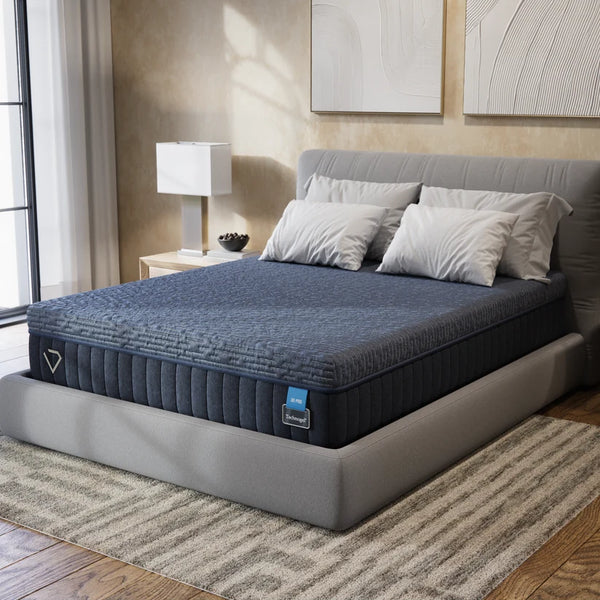
If you want a targeted path, consider reputable options that emphasize cooling features, breathable comfort layers, or temperature-focused designs. For example, you can explore:
- Cooling hybrid with temperature-focused comfort
- Chill-focused hybrid comfort layers
- Chill hybrid with supportive cooling approach
- Balanced comfort with breathable design goals

Layer map showing cover, comfort foam, and support core
Wrap-Up & Key Insights
Cooling mattress technology can be a meaningful upgrade for people who wake up warm, especially when the design supports airflow and stable thermal comfort. The most reliable results come from matching the cooling mechanism to your sleep position, bedding setup, and room conditions. Avoid common mistakes such as judging cooling by first-contact feel or assuming every cooling feature covers the full mattress surface.
If you want to make a confident purchase, compare layered construction, evaluate pressure relief, and prioritize breathable support rather than focusing only on the word “cool.” Your sleep quality depends on the balance of temperature management and alignment.
If you are ready to explore options, you can review cooling-oriented models at The Sleep Loft and compare comfort systems online. The Sleep Loft Showroom is ready for you to try your favorite online beds before you buy, with a convenient location in New York & New Jersey at 338 2nd Street, Jersey City.
Q&A Section
Does cooling mattress technology work for all sleepers?
No. Cooling mattress technology can help many people who run warm, but comfort is individual. Your body heat output, sleep position, humidity, and bedding choices influence how you experience temperature at night.
How can I tell if cooling features will last throughout the night?
Look for design elements that support ongoing heat management, such as ventilation in comfort layers, breathable covers, and materials that respond to heat rather than only providing an immediate cool feel. During testing, reassess comfort after you have settled, not only during the first minute.
Is a cooling mattress protector necessary?
A protector can be useful for protection and hygiene, but it should not block airflow. Choose breathable options and avoid overly insulated layers that can interfere with temperature regulation. The goal is to maintain comfort while preserving the mattress’s thermal design.
Will cooling help with night sweats?
Cooling mattress technology may improve comfort for some sleepers by reducing heat buildup. However, it is not a substitute for professional medical guidance if night sweats persist. If you have ongoing concerns, consult a qualified healthcare professional.
What is the best cooling approach: foam, hybrid, or another design?
There is no single best approach. Foam designs often rely on heat-responsive materials and comfort layering. Hybrid designs often add support structures that can promote airflow and ventilation. The best choice depends on how each construction feels for your pressure relief needs and how it manages heat in your typical room conditions.
About the Author Section
The Sleep Loft - Online Mattress Showroom is dedicated to practical guidance for online mattress shoppers who want comfort, quality, and confidence. Our team evaluates mattresses for comfort and performance, with a focus on how cooling mattress technology can support better sleep for people who run warm. We invite you to explore your options and choose the feel that matches your needs, then visit our showroom to try beds in person. We close with appreciation for your time and interest in smarter sleep decisions.
Disclaimer: This article is for general informational purposes and does not provide medical advice. Mattress comfort and temperature experiences vary by individual and environment. Always follow manufacturer care instructions and consult a qualified professional for persistent health concerns.
The content in this blog post is intended for general information purposes only. It should not be considered as professional, medical, or legal advice. For specific guidance related to your situation, please consult a qualified professional. The store does not assume responsibility for any decisions made based on this information.