

Updated on: 2026-10-05
A 100-night sleep trial mattress gives shoppers a practical way to test comfort at home before making a final decision. You can evaluate support, pressure relief, motion control, and temperature comfort during real sleep routines. A clear trial process also reduces the risk of choosing the wrong firmness or feel. By preparing your test plan and understanding return steps, you can make a confident purchase with fewer uncertainties.
- What a 100-night sleep trial mattress means
- Why 100 nights matter for real sleep
- Key advantages of a 100-night trial
- Quick tips for testing at home
- How to choose firmness and support during a trial
- Comfort feedback checklist
- Troubleshooting common trial issues
- Temperature and sleep environment
- Summary and next steps
- Q&A
What a 100-night sleep trial mattress means
A 100-night sleep trial mattress refers to an arrangement that allows you to sleep on a new bed for an extended period, then decide whether to keep it or return it under specific terms. The central value is time. Comfort is not only about first impressions. It also depends on how your body settles into the mattress support system over multiple nights.
During the trial, you can assess key factors such as spinal alignment, pressure distribution, and how the mattress responds when you change sleep positions. You also learn whether the surface feel matches your preferences, including firmness level, contouring, and bounce. Most trials include packaging and return instructions. Some also provide optional guidance for setup or exchange, depending on the retailer.
At The Sleep Loft, the goal is simple: help you try beds with clarity. If you prefer to evaluate a mattress in a home setting, a long trial can complement that decision process. If you would rather try in person, the showroom experience can provide additional confidence before you finalize your selection.

Checklist symbols for support, pressure, and temperature
Why 100 nights matter for real sleep
Short testing periods often do not capture how sleep changes as you adapt. Your muscles and joints may respond differently after several nights of consistent use. A longer trial supports more accurate evaluation, because you can observe patterns across varying circumstances such as workout days, stress levels, and sleep schedule changes.
There is also a psychological benefit. When you have time, you can reduce decision pressure. This matters because mattress comfort is partly subjective. You need enough nights to determine whether initial relief is lasting or whether discomfort appears later due to support mismatch.
For many shoppers, the biggest differences between “almost right” and “exactly right” show up in details. For example, you may notice that a bed feels fine when you fall asleep, but it becomes less comfortable in the early morning. Or you may realize that your partner’s movement transfers more than you expected. A 100-night trial creates space to identify these issues while there is still time to adjust or return.
Key advantages of a 100-night trial
- More reliable comfort evaluation: You can test pressure relief and support through multiple sleep cycles and positions.
- Better understanding of firmness feel: Firmness is not an absolute number; it is how the mattress supports you over time.
- Opportunity to compare sleep variables: Temperature, partner movement, and bed edge support become clearer with repeated use.
- Reduced purchase risk: A longer policy can help you avoid costly regret if the first choice is not ideal.
- Improved decision confidence: When you can test thoroughly, you can buy with fewer doubts.
To make this process even easier, it can help to pair your trial with a structured assessment method. Simple tracking prevents vague impressions from replacing careful evaluation.
Quick tips for testing at home
- Set up the mattress properly and follow manufacturer guidance for ventilation and support.
- Test in your typical sleep positions for at least a week before drawing conclusions.
- Use a consistent evaluation schedule, such as rating comfort every morning.
- Pay attention to how you feel when you first lie down and when you wake up.
- Track temperature comfort, especially if you tend to sleep warm.
- Check movement and partner disturbance if you share the bed.
If you want a more hands-on approach, you can also explore mattress options in person. The Sleep Loft Showroom is ready for you to try your favorite online beds before you buy. The showroom is conveniently located in New York & New Jersey, with ample parking and an easy-to-find location at 1056 3rd Avenue, New York, NY.
How to choose firmness and support during a trial
Firmness preference is strongly linked to body weight range, sleep position, and how much contouring you enjoy. A mattress can feel “medium” on a label and still feel firmer or softer depending on its materials and design. A 100-night trial helps you evaluate whether the mattress matches your body’s needs.
Start by identifying your main sleep position. Side sleepers often benefit from comfortable contouring that cushions shoulders and hips. Back sleepers typically need support that keeps the lower back aligned. Stomach sleepers usually require a balance that does not sink too deeply under the midsection.
Next, evaluate pressure and alignment signals. Pressure may show up as localized soreness, numbness, or frequent repositioning. Alignment issues may appear as morning stiffness or a sensation of “hammocking” where the torso sinks more than expected. During the trial, small adjustments can also guide your decision. If your frame and foundation are not compatible, comfort can be affected even with a well-built mattress.
Material type is another practical consideration. Foam mattresses often offer strong contouring and reduced motion transfer. Hybrid designs often combine foam comfort with a support core that can provide responsive pushback. In both cases, your personal feel matters most, and a longer trial gives you the time to confirm your selection.
Comfort feedback checklist
Use a simple method to turn impressions into useful data. When you can describe what felt right or wrong, you make better exchange decisions, if your policy allows them. Focus on repeatable observations rather than one-time experiences.
Consider the following checklist during your trial:
- Shoulder and hip comfort: Do pressure points feel cushioned or unsupported?
- Lower back support: Does your midsection stay aligned throughout the night?
- Ease of repositioning: Can you move without feeling stuck or rolled toward the center?
- Sleep depth: Do you settle quickly and stay comfortable through the night?
- Morning recovery: Do you wake with less stiffness over time?
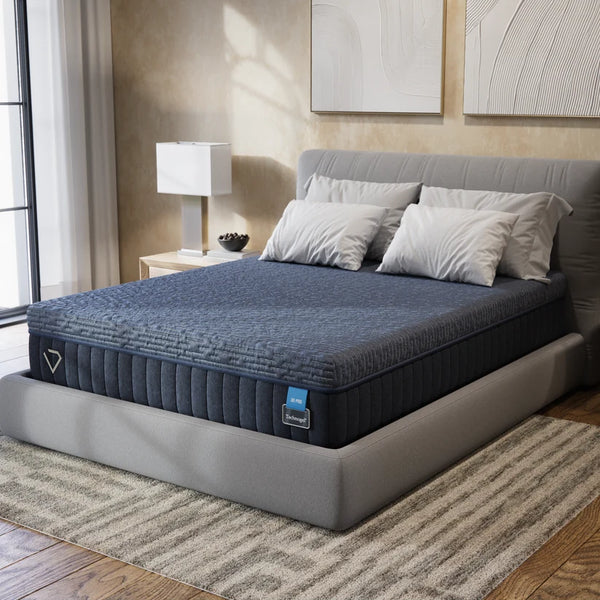
Embedded decision support is not limited to trial rules. Some shoppers choose to start with a model known for cooling comfort and adaptive surface feel. If you are evaluating cooling features and balanced responsiveness, the Helix Twilight Luxe can be a relevant candidate to compare during your testing window.
Helix Twilight Luxe - Includes GlacioTex™ Cooling Cover Helix Twilight Luxe
Troubleshooting common trial issues
Even well-matched mattresses sometimes create discomfort during the adjustment period. The key is to separate temporary “settling” from ongoing mismatch. Most issues can be clarified by observing when discomfort occurs and where it concentrates.
Issue: You feel pressure on shoulders or hips
This can indicate insufficient contouring or a firmness level that feels too high for side sleeping. Try tracking whether the discomfort improves after repositioning. If it persists, consider options with more pressure relief or a comfort layer that better matches your preference.
Issue: Your lower back feels unsupported
Lower back discomfort can result from either too much sink or insufficient support under the midsection. Note whether the problem is worse when you wake up from a long stretch of sleep. A different firmness level, or a more supportive design, may resolve it.
Issue: You wake up warm
Temperature comfort is influenced by cover materials, airflow, and your bedding choices. If overheating occurs, evaluate your sleepwear and sheets. Also, consider whether the mattress includes features designed for cooler surface contact. Cooling-oriented covers and balanced airflow designs can reduce heat buildup.
Issue: Motion feels disruptive
If you share the bed, motion transfer can affect sleep quality. Pay attention to whether you feel your partner’s movements as rolling or jostling. Some designs emphasize isolation and stability more than others. Your trial is the most direct way to determine compatibility.
If you want a broader comparison of comfort types, you may also review other options at The Sleep Loft. For example, you can compare cooling-oriented designs by exploring this page for additional context: chill hybrid mattresses.

Thermometer icon with airflow arrows and sleep stars
Temperature and sleep environment
Cooling is often treated as a feature, but it functions as a system. Even with a mattress designed for temperature control, bedding choices and room conditions matter. During the trial, focus on the full sleep environment rather than only the surface.
First, evaluate room temperature. If your bedroom is consistently warm, you may need more active cooling rather than relying on mattress materials alone. Second, assess your bedding. Breathable sheets, moisture-wicking sleepwear, and appropriate blankets can improve overall comfort. Third, consider how quickly you return to sleep after waking. If you wake due to heat, your body may search for cooler areas, which can amplify repositioning.
Within the mattress itself, cooling covers and responsive comfort layers can help reduce surface heat retention. When possible, compare your experience across multiple nights. A 100-night trial gives enough time to identify patterns rather than reacting to one unusual night.
If temperature comfort is a major priority, you can also explore a cooling-focused mattress experience online. The Sleep Loft Showroom supports informed decisions by letting you test options with a clear understanding of how they feel to you.
Summary and next steps
A 100-night sleep trial mattress is a structured way to buy with confidence. It supports better evaluation of comfort, support, temperature feel, and partner compatibility. Rather than relying on first impressions, you can test across your real routine and make a decision based on consistent observations.
To move forward effectively, prepare a short tracking routine, test in your usual sleep positions, and note where discomfort appears. If you identify a mismatch, use the return process promptly and follow the instructions provided by the retailer. If you are unsure where to begin, compare different comfort styles and consider visiting The Sleep Loft Showroom at 1056 3rd Avenue, New York, NY for an in-person feel.
For shoppers who want additional context on hybrid construction and comfort balance, you may also review a related option here: chill hybrid comfort.
Q&A Section
How long should it take to decide if a 100-night sleep trial mattress is right?
Many shoppers can identify major comfort fit within the first few weeks, especially if pressure points or alignment issues are obvious. However, a 100-night trial exists because full confidence often develops over time. For the most reliable decision, evaluate comfort, temperature, and sleep quality across a larger portion of the trial, then finalize when the pattern is clear.
What should I test first during the trial period?
Start with your primary sleep position and assess two core factors: pressure relief and spinal support. Then evaluate practical sleeping behaviors such as ease of repositioning, movement isolation for partners, and how the mattress feels when you wake up. Temperature comfort should be assessed as well, particularly if you often sleep warm.
Can I exchange or return a mattress at any time during the trial?
Return timelines, exchange options, and eligibility rules depend on the specific retailer and mattress policy. Some trials allow returns within the trial window, while others require that the mattress be used for a minimum period. Review the trial terms carefully and follow the return instructions to avoid delays.
What is the most common reason a trial mattress still does not feel right?
The most common reason is a mismatch between firmness feel and your body needs. This can relate to support under the lower back, insufficient contouring for side sleeping, or heat retention that causes nighttime discomfort. Tracking where discomfort occurs helps you choose a more suitable design for your preferences.
Will a mattress feel different after it settles?
Some mattresses may change slightly after the initial setup period as materials adjust. Even so, a clear comfort mismatch usually persists. Use the early nights to observe settling, then focus on recurring issues. If the problem is consistent, it is often a sign that the comfort system is not the right fit.
About the Author Section
The Sleep Loft - Online Mattress Showroom is an experienced team focused on helping shoppers evaluate comfort with clarity and confidence. Our expertise covers mattress feel, sleep trials, and practical selection guidance based on how different designs perform for real sleep routines. We encourage customers to try thoughtfully, compare results, and choose the bed that supports better rest. Thank you for reading and for considering a more informed mattress decision.
Disclaimer: This article is for informational purposes only and does not provide medical advice. Sleep needs vary by individual preferences and conditions. Always follow the mattress manufacturer guidance for setup, use, and trial terms.
The content in this blog post is intended for general information purposes only. It should not be considered as professional, medical, or legal advice. For specific guidance related to your situation, please consult a qualified professional. The store does not assume responsibility for any decisions made based on this information.