

Updated on: 2026-08-30
Choosing the right mattress can feel confusing, especially when you’re torn between support and comfort. This guide breaks down firm and plush mattress varieties so you can match your sleep needs to the right feel. You’ll learn how to decide based on body weight, sleep position, and temperature preferences. You’ll also see practical shopping tips and real-world style feedback to help you narrow options fast.
Firm and Plush Mattress Varieties: Start With the Right Feel
If you’re shopping online, “firm” and “plush” can sound like opposites. In reality, firm and plush mattress varieties can both deliver great sleep—depending on your body, your sleep position, and what you want your bed to do at night. A firmer sleep surface typically emphasizes support and easier movement. A plusher surface usually adds comfort and pressure relief, helping you sink slightly into the bed for a softer cradle.
The goal isn’t to pick what sounds trendy. The goal is to feel supported without feeling strained, and comfort without feeling stuck. When you get the feel right, you’re more likely to fall asleep faster, stay comfortable longer, and wake up with less body fatigue.
Many shoppers also worry about heat or noise. That’s why it helps to think beyond “firm vs plush” and consider the mattress construction style. Some beds pair supportive cores with comfort layers, while others lean heavily into one side of the feel spectrum.
Understanding pressure relief vs. spinal support
Pressure relief helps reduce stress on sensitive areas like shoulders, hips, and lower back. Spinal support helps keep your posture aligned while you move through the night. Firm models often excel at keeping the torso level and reducing sink for back and stomach sleepers. Plush models can better cushion the body for side sleepers who need extra contouring.
That said, modern designs often blend both. If you want a bed that feels comfortable on top but still supports you underneath, look for layers that target both goals.

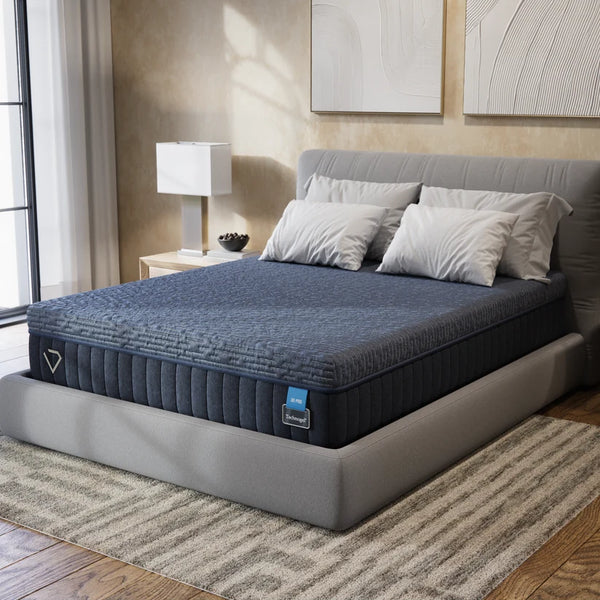
Support core beneath cloud-soft comfort layers
Myths vs. Facts
Let’s clear up a few common assumptions before you spend money. These myths can lead to returns, unnecessary frustration, and the wrong bedtime routine.
- Myth: Firm always means uncomfortable. Fact: Firm varieties can be smooth and pressure-friendly when they include quality comfort layers.
- Myth: Plush means less support. Fact: Plush feel can still be stable if the support system underneath is built to hold your spine.
- Myth: You should choose based only on mattress thickness. Fact: Feel depends more on how the layers react to your body and how they distribute weight.
- Myth: Temperature issues are only about comfort. Fact: Construction and airflow features play a big role in how warm a bed sleeps.
When you understand the “why,” your shopping becomes simpler. Instead of guessing, you can evaluate how the mattress will respond to your movement.
How to Choose the Right Feel in Firm and Plush Mattress Varieties
Use these practical steps to narrow your selection quickly. You’ll avoid the trial-and-error loop and focus on the features that match your habits.
1) Start with your sleep position
Sleep position is one of the strongest predictors of comfort. If you sleep on your back, you typically benefit from a surface that keeps your hips from sinking too far. If you sleep on your side, you usually want cushioning that helps fill the gap between shoulder and mattress. If you sleep on your stomach, you often need a firmer foundation so your midsection doesn’t drop.
2) Consider your body weight range
Your body weight affects how deeply you sink and how much the mattress pushes back. Lighter sleepers can feel too much firmness on overly rigid surfaces. Heavier sleepers can find ultra-soft tops less supportive if they don’t have enough structural strength. The best fit is the one that lets your body rest in a balanced position.
3) Decide whether you want to “sink” or “rest on” the surface
Plush varieties usually create a deeper comfort sensation. Firm varieties usually keep you more on top, which can make it easier to change positions. If you share a bed, think about partner movement too—how much the mattress transfers motion can matter more than you expect.
4) Match your comfort preferences with the right layer style
Look for beds that combine an easy-on-top feel with a supportive core. Hybrid designs often aim to give both: contouring comfort and responsive stability. If you want a cooling experience, prioritize airflow-friendly constructions and breathable covers.
For a strong starting point, you can compare a few styles from The Sleep Loft’s collection:
- Hybrid comfort with a balanced feel
- A natural option for sturdy support
- A cooling-leaning hybrid style
Who Each Variety Works Best For
Firm and plush mattress varieties often succeed for different reasons. The best match can change based on your goals and how your body interacts with the surface.
Back sleepers
Back sleepers usually do well with a feel that supports the lumbar area while still being comfortable on top. If you choose too plush, you may feel the hips sinking. If you choose too firm, you may feel pressure in the lower back. The “sweet spot” is supportive without being harsh.
Side sleepers
Side sleepers tend to need contouring that cushions shoulders and hips. Plush comfort can help you avoid pressure points, but you still want enough base support to keep your spine aligned. A balanced hybrid-style build is often a winning compromise.
Stomach sleepers
Stomach sleepers typically need more firmness to prevent the midsection from dipping. Many people find that medium-firm to firm feels keep the body flatter. If a bed is too plush, it can allow deeper sink that may lead to morning stiffness.
Couples and restless partners
When two people share a bed, “feel” becomes a teamwork problem. Firmer options can offer clearer surface support for movement. Plush options can offer more comfort, but you may notice more motion transfer if the comfort layer is extremely soft. Hybrid builds often strike a practical balance.

Sleep positions illustrated with pressure points softened
Pairing Support and Comfort in One Bed
Some shoppers think they must choose one extreme: firm for support or plush for comfort. But many of today’s best beds combine both ideas. You can get a supportive foundation that helps posture, plus a comfort top that feels gentle where you need it most.
Here are common pairings to look for:
- Comfort cushioning + stable core: Helps you feel relaxed without losing alignment.
- Responsive feel + easy movement: Supports position changes and can reduce nighttime friction.
- Cooling features + breathable top layer: Helps manage warmth so you can stay comfortable across seasons.
If you want to explore “plush comfort with structure,” consider comparing a cooling-leaning hybrid style such as Sapira Chill Hybrid against a more supportive natural or firm-leaning option like Luxury Organic. The point isn’t to pick a single model blindly. It’s to feel the difference in how the top layers and cores work together.
Also, don’t forget the sleep setup around the mattress. A great mattress can be undermined by a pillow that doesn’t match your head and neck position. If you prefer a plusher sleep surface, consider a pillow that keeps your neck aligned with your spine and avoids pushing your head too far up or down.
Personal Experience: What Changed for Me
I used to treat mattress shopping like a simple choice: “I like soft” or “I like firm.” That approach failed me because my body needed different comfort at different times. Some nights I wanted the cushioning comfort of a plush top. Other nights I needed the stability of something firmer so my lower back didn’t feel strained.
What helped most was reframing the decision. Instead of asking, “Is it firm or plush?” I asked, “Will it keep my spine supported while still feeling good on my shoulders and hips?” Once I looked at the mattress feel through that lens, I stopped guessing and started matching.
I also learned that temperature matters. If the bed feels warm, even a perfect feel can turn into restless sleep. When I chose designs that support airflow and reduce heat buildup, I felt more consistent comfort from night to night.
That’s why I recommend focusing on how a mattress performs for your body, not just how it looks in photos.
Final Thoughts & Takeaways
Firm and plush mattress varieties both have their place. The key is choosing a feel that matches your sleep position, body weight, and movement patterns. Plush comfort can help side sleepers by cushioning pressure points, while firmer options often support back and stomach sleepers with better spinal alignment. Modern hybrid and layered designs can blend the best of both worlds, giving you comfort on top and stability underneath.
If you want a fast, confident purchase, shortlist options within one or two feel categories and compare how they handle your main comfort needs—support, pressure relief, and temperature. Then make your decision with your real habits in mind.
Ready to narrow your selection? Visit The Sleep Loft to explore options and get closer to the feel you want before you buy.
Q&A
Are firm and plush mattress varieties both good for side sleepers?
Yes, but they serve side sleepers differently. Plush-oriented comfort usually cushions shoulders and hips more effectively, which can reduce pressure. However, some side sleepers do better with a medium-firm feel if their body sinks too deeply into softer tops. The best choice is the one that keeps your hips and shoulders comfortable while supporting spinal alignment.
How do I know if plush will be too soft for me?
A plush bed may feel too soft if you notice your midsection sagging or you wake up feeling stiff. You may also feel “stuck” when changing positions. Look for plush options that still have a stable base and responsive support so you get comfort without excessive sink.
Which variety is more forgiving for couples with different sleep preferences?
It often depends on each person’s primary sleep position. Many couples find success with balanced hybrid designs because they combine comfort for pressure relief with enough structure for movement and support. If one partner wants a firmer surface and the other wants cushioning, a mattress that blends layers can make compromise feel easier.
Do firm or plush mattresses sleep cooler?
Temperature depends more on construction and airflow features than on firmness alone. Some firm models can still sleep warm if their materials retain heat, while some plush-leaning beds can remain comfortable if they use breathable, cooling-friendly designs. If warmth is a concern, prioritize ventilation and a cover that helps regulate heat.
What should I do if I’m between two feels?
If you’re torn, start by identifying your biggest comfort problem—pressure points, lower back support, or motion and movement. Then pick the feel that targets that issue first. A balanced hybrid can be a strong middle path when you want both comfort and stability.
About the Author
The Sleep Loft - Online Mattress Showroom
The Sleep Loft - Online Mattress Showroom is an online mattress store with a focus on helping shoppers find the right sleep fit with confidence. Their team shares practical expertise in mattress feel, comfort layering, and choosing the best match for different sleeping needs. You can also visit the showroom experience in New York and New Jersey for a more hands-on way to compare options. Thanks for reading—may your next mattress choice feel as good as it looks.
The content in this blog post is intended for general information purposes only. It should not be considered as professional, medical, or legal advice. For specific guidance related to your situation, please consult a qualified professional. The store does not assume responsibility for any decisions made based on this information.