

Updated on: 2026-05-21
A tailored sleep experience aligns your mattress setup with your body, your sleep position, and your nightly habits. It improves comfort by matching support to your pressure points and by controlling heat buildup. A smart selection also considers motion control, edge support, and long-term durability. With the right approach, you can reduce trial and error and select bedding that feels consistent across seasons.
Table of Contents
1. What “Tailored Sleep Experience” Means
3. Core Benefits of a Tailored Sleep Experience
7. Q&A Section
What “Tailored Sleep Experience” Means
A tailored sleep experience is not a vague promise. It is a structured method for choosing a mattress and bedding configuration that matches your needs. Instead of relying on generic comfort scores or marketing claims, you evaluate fit using practical signals: how your body feels after lying down, how your sleep position changes throughout the night, and whether you stay comfortable when room temperatures shift.
In practice, a tailored sleep experience considers three layers. First is support, which affects spinal alignment and pressure distribution. Second is comfort, which includes surface feel and cushioning. Third is environment, which covers cooling, airflow, and moisture management. When these layers work together, you are more likely to wake up feeling refreshed and less likely to spend time adjusting your posture.
For shoppers, the goal is consistency. Many people do not need an “extreme” solution. They need the right balance of firmness and responsiveness so that their body settles properly. That balance changes across individuals, even among people who share the same sleep position. For example, side sleepers often need more targeted contouring under the shoulders and hips, while back sleepers may prefer support that holds the lower back without excessive sink.
To build your tailored sleep experience, begin with your most common sleep position and your comfort triggers. Ask a simple question: when do you feel uncomfortable during the night? Is it pressure, heat, motion from a partner, or difficulty finding a stable posture? Your answers guide the selection process and reduce guesswork.
Product Spotlight
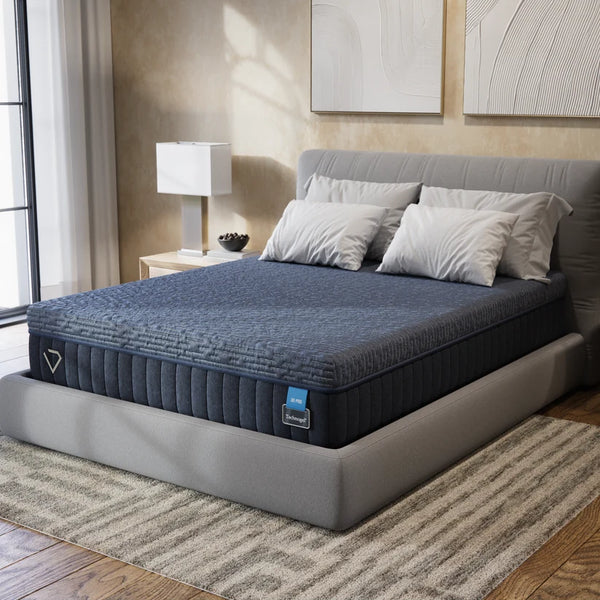
If you want a tailored sleep experience that can support a range of sleepers, a hybrid option with layered cushioning and responsive support can be a strong starting point. Hybrid designs typically combine comfort layers with a supportive core, which helps balance pressure relief with stability.
Helix Plus Elite

This product page is a useful reference point for shoppers who want a more supportive feel while still maintaining comfort on top. When evaluating any mattress, focus on how the materials handle three factors: contouring at pressure points, resilience when you change positions, and how the surface responds to everyday movement. These aspects influence how quickly you fall asleep and how easily you stay comfortable through the night.
Core Benefits of a Tailored Sleep Experience
A tailored sleep experience can deliver measurable comfort improvements even without using complex technology. The following benefits represent what many customers report when their mattress setup aligns with their body and sleep routines.
- Better pressure distribution: Targeted cushioning reduces hotspots at the shoulders, hips, and lower back, especially for side and combination sleepers.
- Stable spinal support: A supportive core helps prevent excessive sink, which can lead to discomfort and restless sleep.
- Improved temperature comfort: Cooling and airflow features help manage heat buildup, supporting more consistent sleep conditions.
- More predictable movement response: A mattress that responds in a controlled way can reduce friction during position changes.
- Reduced partner disturbance: Motion control matters for couples and for anyone who shares a bed. It can help you maintain deeper sleep cycles.
To explore comfort systems from different angles, it can be helpful to compare models with distinct comfort goals. You may prefer a more buoyant hybrid profile, a pressure-relieving foam feel, or a firmer surface for alignment. If you are comparing options, review product specifications and consider how each material type typically behaves for your sleep position.
For example, if you want a durable, supportive build with comfort-layer balance, you can compare hybrid models such as Sapira Chill Hybrid Mattress. If your priority is cooling and a cloud-like surface, you can also review Casper Dream Max Hybrid Mattress for guidance on feel and responsiveness.

Layered comfort and support symbols for pressure relief
Step-by-Step How-To
The process below is designed for shoppers who want a tailored sleep experience without overcomplicating decisions. Each step focuses on practical assessment and avoids reliance on vague descriptions.
- Track your sleep position for one week: Note whether you mostly sleep on your side, back, stomach, or a mix. Also record when you switch positions. This helps you choose the right balance of contouring and support.
- Identify your primary discomfort trigger: Common triggers include shoulder pressure, lower back tension, feeling too hot, or waking due to movement. Choose the dominant trigger first and match materials to that need.
- Set firmness expectations using objective cues: Instead of choosing “soft” or “firm” only by preference, consider how you want your body to sink. Side sleepers often prefer moderate sink at the shoulder and hip, while back sleepers typically need more consistent support under the lumbar area.
- Evaluate heat and airflow: If you experience night sweats, restless turning, or morning stiffness after a warm sleep environment, prioritize cooling features and breathable construction. Look for designs known for airflow and thermal balance.
- Check motion and edge support: If you share the bed, test for motion transfer by simulating normal movement. Edge support matters for people who sit on the bed edge or who frequently move near the perimeter.
- Use a topper and pillow strategy if needed: A tailored sleep experience often improves with bedding adjustments. A supportive pillow affects neck alignment and can reduce discomfort even when mattress feel is close to ideal.
- Test consistency across days: Comfort is not only about first impressions. Evaluate how you feel after multiple nights. Many sleepers discover that they fall asleep faster when the surface feel supports their preferred posture.
- Decide with your long-term priorities: Choose materials that match your durability expectations and maintenance preferences. Consider whether you want a breathable, naturally inspired surface, or a more structured hybrid profile.
When you are ready to explore specific options, use internal comparisons to narrow your choices quickly. If you prefer an organic comfort direction, consider reviewing Luxury Organic Mattress to understand how natural materials may influence surface feel and airflow. For those who want a cooling-forward approach, Deluxe Chill Hybrid Mattress can be a useful reference when comparing comfort and temperature control.
Finally, remember that a tailored sleep experience is not only about the mattress. It includes the pillow height, the bed frame support, and the fitted sheet routine. A supportive, well-fitted foundation can prevent sagging and maintain consistent alignment over time.
Personal Experience
I used to treat mattress shopping like a single decision. I assumed that once I chose a firmness level, the sleep experience would remain stable. My first setup felt acceptable for a short period, but discomfort surfaced after I noticed I was waking up repeatedly to change positions. I realized I was not only fighting pressure points. I was also dealing with a heat buildup that made the surface feel less comfortable as the night progressed.
Instead of buying another mattress immediately, I adjusted the process. I focused on my most common posture and then selected a configuration that better matched my pressure needs. I also changed my pillow strategy to keep my neck aligned with my spine. After this shift, the mattress no longer felt “almost right.” It felt predictable. That predictability is the essence of a tailored sleep experience.
If you have ever experienced a similar pattern, consider the likely root cause. When discomfort appears after several hours rather than immediately, temperature and moisture management may be a factor. When discomfort appears at certain body points, support and contouring likely need adjustment. When you wake due to movement, motion control and edge stability can be decisive.

Sleep posture icons with comfort and temperature cues
Summary & Recommendations
A tailored sleep experience is a practical approach to selecting sleep products based on your body, your position, and your nightly triggers. Instead of relying on general categories, you identify the primary discomfort factor and match it with the right support and comfort balance. Temperature comfort, motion control, and edge stability also shape how consistently you sleep.
For your next step, choose one focus area and act on it. If pressure is the main issue, prioritize contouring and lumbar support. If heat is the issue, prioritize airflow and cooling behavior. If motion is the issue, prioritize motion isolation and controlled responsiveness. When your setup aligns with your needs, the result is often a smoother transition into sleep and fewer position changes.
If you want a structured way to explore options, visit The Sleep Loft - Online Mattress Showroom and review product pages that match your comfort goals. The Sleep Loft Showroom is ready for you to try your favorite online beds before you buy. Conveniently located in New York and New Jersey, the showroom offers a large, comfortable space with ample parking and an easy to find, convenient location. Our New location at 338 2nd Street, Jersey City can help you compare feels in person while keeping your decision grounded in your own body signals.
Q&A Section
How do I know my tailored sleep experience needs more support or more cushioning?
If you wake with pressure in the shoulders or hips, you likely need more surface cushioning. If you wake with lower back tension or you feel stuck in a deep sink, you likely need more support and a better balance of firmness. A quick self-test is to observe whether the mattress allows a comfortable posture without excessive sinking at your key pressure points.
Can a pillow change complete my tailored sleep experience without changing the mattress?
Often, yes. Many comfort problems originate in neck and shoulder alignment rather than the mattress itself. A pillow with the correct loft and firmness can help keep your head level and reduce muscle strain. However, if you consistently feel pressure in the hips or lower back, the mattress support layer may still require adjustment.
What should couples prioritize for a tailored sleep experience when choosing a mattress together?
Couples should prioritize motion control, overall comfort balance, and edge support. If one person moves or changes positions frequently, motion transfer can disrupt sleep. Testing responsiveness by simulating typical movements can help. Edge stability also matters for people who sit on the bed edge or move near the perimeter.
Is a hybrid mattress always best for a tailored sleep experience?
No. A hybrid mattress can be an excellent fit for many sleepers because it balances comfort and support. However, foam-forward options may feel better for those who prefer slower contouring and strong pressure relief. The best choice depends on your posture, pressure needs, and temperature comfort preferences.
About the Author Section
Name: Jordan Blake
Expertise: Sleep product research, comfort engineering fundamentals, and consumer guidance for mattress and bedding selection.
Bio: Jordan Blake writes with a focus on practical sleep decisions and clear product comparisons. The approach emphasizes how comfort, support, and temperature behavior work together for a tailored sleep experience. Jordan invites readers to evaluate fit using body signals and to explore options responsibly. For more guidance, Jordan recommends starting with your primary discomfort trigger and building from there.
Disclaimer: This article is for informational purposes only and does not provide medical advice. Sleep comfort varies by individual. If you have persistent pain or sleep disorders, consider consulting a qualified healthcare professional.
The content in this blog post is intended for general information purposes only. It should not be considered as professional, medical, or legal advice. For specific guidance related to your situation, please consult a qualified professional. The store does not assume responsibility for any decisions made based on this information.