Updated on: 2026-09-10
Choosing the right comfort for growing sleepers is easier when you focus on support, breathability, and safe materials. Mattresses for kids need to keep up with changing body needs while staying comfortable night after night. The best options help reduce tossing, support healthy alignment, and make bedtime feel calm and inviting. In this guide, you’ll learn what to look for, how to choose a size and firmness, and how to match a mattress to your child’s sleep habits.
- Introduction
- Pros & Cons of Mattresses for Kids
- Step-by-Step Practical Guide
- Where to Start With Trusted Options
- Wrap-Up
- Q&A Section
Introduction
Mattresses for kids are not “one-size-fits-all” comfort. Kids bounce between growth spurts, school schedules, sports, and different sleep positions. That’s why the right mattress should support healthy alignment, stay cool through the night, and feel comfortable enough that bedtime becomes easier. When you choose wisely, you can help your child sleep more soundly and wake up ready for the day.
This guide is product-focused and practical. You’ll learn how to select the right firmness, size, and materials for a growing body. You’ll also see how popular mattress styles perform for common kid-sleep needs, with real-world shopping tips you can use right away.
Pros & Cons of Mattresses for Kids
Before you shop, it helps to understand what you gain and what to watch for. Here are the most important trade-offs when choosing mattresses for kids.
- Better sleep quality: Supportive surfaces can reduce uncomfortable sagging and help your child settle faster.
- Improved alignment: The right feel under the hips and shoulders helps many kids maintain a more natural sleeping posture.
- More breathable nights: Materials with airflow can help manage heat, especially for kids who run warm.
- Durability for active days: Strong construction matters when a mattress also has to handle reading sessions, jumping on the bed, and growth-related movement.
- Potential “too firm” or “too soft” issues: If the mattress is outside your child’s comfort zone, they may move around more.
- Fit and sizing decisions take time: Choosing the right size based on age, room space, and future growth can be confusing.

Key factors: comfort, support, airflow, durability icons
Step-by-Step Practical Guide
Use this checklist to narrow down your options fast. You’ll know what to prioritize and how to avoid common buying mistakes.
Measure for the right fit
Start with the bed frame and room. Measure the mattress space (length and width) and confirm what size you can actually fit. If you’re upgrading from a smaller bed, consider whether you want your child to use this mattress through multiple years. A longer mattress can be more practical than frequent replacements.
Then think about daily life. If your child tends to sleep diagonally, a wider size may help. If space is tight, you may still choose the right mattress while keeping the frame size consistent.
Pick a kid-friendly firmness
Firmness is about comfort, not just “hardness.” Many kids do well with a medium feel because it supports the body while still allowing pressure points to feel cushioned. If your child presses into the mattress or complains about pressure, aim for a smoother, more forgiving surface.
If your child is heavier for their age or you notice they sink too much, slightly firmer support may help. Keep in mind that comfort can vary by sleep position, so what feels good to one child might not work for another.
Choose breathable, supportive materials
Materials shape how a mattress feels and how it performs at night. For kid comfort, look for:
- Airflow: Helps with temperature regulation during the night.
- Responsive support: A surface that adapts without “locking” the body in place can support healthy movement.
- Low motion transfer: If your child shares a bed or has a sibling nearby, responsive layers can reduce wake-ups from movement.
- Quality construction: Helps the mattress hold its shape over time.
Want an easy way to narrow down? Think about whether your child is a “warm sleeper,” a “sleeps on their side,” or a “bounces between positions.” Choose materials that match those patterns.
Match support to sleep style
Kids often sleep in different ways, especially as they grow. Here’s a simple matching guide to help you decide.
- Side sleepers: Benefit from comfort at the shoulders and hips to reduce pressure.
- Back sleepers: Generally do well when the mattress keeps the spine supported without excessive sink.
- Stomach sleepers: Often need support that prevents the hips from dropping too far. A well-balanced, medium-support surface is usually the best starting point.
Even without knowing your child’s exact preference, you can aim for balanced support that feels comfortable in multiple positions. That’s one reason many families like hybrid designs: they often blend bounce, airflow, and supportive layers.
Plan for care and rotation
Once you choose a mattress, keep it performing. A simple routine helps maintain comfort. Use a fitted, breathable mattress protector if needed, keep the sleep surface clean, and rotate when the manufacturer recommends. Rotation helps even out wear, which supports consistent feel over time.
If your child spills water, use a towel to blot immediately and follow care instructions. Small steps can protect comfort and extend the mattress life.

Checklist symbols: size, firmness, airflow, sleep position
Where to Start With Trusted Options
It’s normal to feel overwhelmed when mattress options look similar online. A practical approach is to start with a style that matches your priorities, then compare comfort and support.
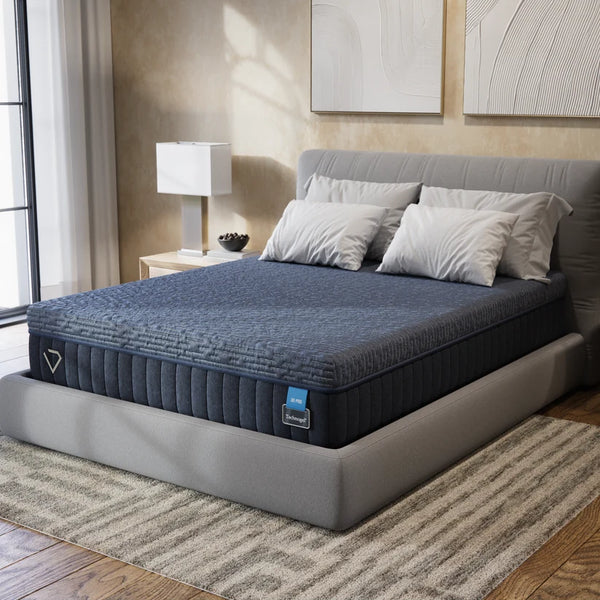
For families who want a dependable all-around option, hybrid mattresses can be a smart starting point. For example, the Deluxe Chill Hybrid Mattress is designed to support comfortable sleep with a cooling-focused approach that many parents appreciate for warm nights. If you want something with a similar goal but a slightly different feel, you can also explore the Sapira Chill Hybrid Mattress.
For shoppers who prefer a more organic direction, consider browsing options that focus on natural comfort and materials. The Luxury Organic Mattress is a strong option to evaluate if you prioritize natural bedding choices and a comfort-first experience.
If your child’s sleep comfort is your top priority and you want a mattress that’s easy to shop for, the Helix Twilight Luxe can be worth a look for supportive, cushioned feel. To keep it simple, compare your child’s needs to the mattress’s strengths: temperature control, comfort layers, and overall support balance.
Wrap-Up
Choosing mattresses for kids becomes much easier when you focus on the right comfort and performance factors. Measure for a true fit, select a firmness that feels supportive without pressure, and choose materials that help regulate temperature. Then match the mattress feel to your child’s typical sleep position and establish a simple care routine.
If you’re ready to make the decision confidently, start by comparing two or three mattress options that align with your priorities. Look for breathable comfort, balanced support, and a feel your child can settle into quickly. With the right match, you can turn bedtime into a calmer routine and help your child wake up feeling refreshed.
Call to action: Visit The Sleep Loft to explore kid-friendly comfort options in person. Our team is ready to help you compare feels and find a mattress that supports better sleep for your growing child.
Q&A Section
What size mattress is best for a child?
The best size depends on your child’s age, room space, and how long you want the mattress to last. If your goal is fewer replacements, choosing a size with extra length can be a smart move. For shared bedrooms or small rooms, prioritize what fits your frame and comfort needs. Measure first, then decide based on how your child sleeps during the night.
Should I choose a firmer mattress or a softer one for kids?
Many kids do well with a medium feel because it balances pressure relief and support. If your child feels too much sinkage, a firmer support level can help. If your child complains about pressure on the shoulders or hips, a softer comfort surface may be better. The ideal mattress is the one that keeps the body supported while still feeling comfortable in multiple sleep positions.
How do I know if the mattress is too warm for my child?
A mattress may feel too warm if your child wakes up sweaty, adjusts frequently, or seems uncomfortable soon after falling asleep. To improve temperature comfort, consider mattresses with stronger airflow characteristics and cooling-oriented designs. Using a breathable protector and keeping the room at a comfortable temperature can also help.
How often should a kids mattress be replaced?
There’s no single timeline for every household because comfort preferences and body changes vary. Many families replace a mattress when they notice sagging, persistent discomfort, or a noticeable decline in sleep quality. If you rotate and care for the mattress properly, it can help maintain the feel longer. When in doubt, compare the current mattress comfort to what your child needs now.
Can a hybrid mattress work well for kids?
Hybrid mattresses can work well because they often combine supportive internal structure with comfort-focused top layers. Many parents like that hybrids can offer breathable sleep and balanced support for different positions. If your child wakes from movement or feels too hot at night, a hybrid design is often worth evaluating.
About the Author Section
The Sleep Loft - Online Mattress Showroom is an expert team focused on helping families choose the right sleep comfort. Our knowledge is built around mattress feel, support performance, and practical buying guidance for real homes. We’re friendly, approachable, and here to help you feel confident before you buy.
— The Sleep Loft Team
Disclaimer: This article provides general shopping guidance and is not medical advice. If your child has specific health concerns or sleep-related issues, consider speaking with a qualified healthcare professional for personalized recommendations.
The content in this blog post is intended for general information purposes only. It should not be considered as professional, medical, or legal advice. For specific guidance related to your situation, please consult a qualified professional. The store does not assume responsibility for any decisions made based on this information.