

Updated on: 2026-08-09
If you’re a heavy sleeper, a regular mattress can feel too soft, too slow to respond, or too hard to stay comfortable on. This guide explains what to look for in a mattress designed for stronger support and better pressure relief. You’ll also learn how to choose the right firmness, materials, and cooling features for your sleep position. By the end, you’ll have clear next steps to find a better fit—and sleep with less tossing and turning.
What Makes a Mattress Right for Heavy Sleepers
A mattress for heavy sleepers is not just about “firm.” It’s about support that holds up under steady pressure and comfort that does not collapse in the places you land most. If a bed is built with softer layers that compress quickly, you may feel stuck in the mattress or get an uneven sleep surface. Over time, that can lead to more movement during the night.
When you shop for stronger beds, look for three practical things: a stable core, supportive comfort layers, and a cover that helps with airflow. A strong mattress should keep your spine more aligned and help your hips and shoulders feel supported, not buried. The goal is simple: sleep deeper with fewer posture changes.
Many shoppers also notice that heavier sleep needs faster “bounce” for easier repositioning. That can come from hybrid designs that combine coils with supportive foam. In other cases, thicker foam systems can work well too, as long as they are built to resist excessive sink.

Illustration of stable core, upright posture, steady pressure
Mattress for Heavy Sleepers: Myths vs. Facts
-
Myth: “A heavy sleeper only needs the firmest mattress.”
Fact: Firmness matters, but targeted support matters more. The best option balances firmness with comfort so you do not feel pressure points or stiffness. -
Myth: “All hybrids are too bouncy.”
Fact: Many hybrids are tuned for comfort and stability. Coil support can help keep your surface responsive, which is helpful for turning during sleep. -
Myth: “Thicker always means better.”
Fact: Thickness helps only if the layers are properly built. You want a stable base and comfort layers that do not break down quickly. -
Myth: “Cooling features are only for hot sleepers.”
Fact: Better airflow can support comfort for everyone. Heavier sleepers often feel heat buildup where pressure is greatest.
How to Choose the Right Firmness and Support
Start by thinking about your most common issue. Do you feel too much sink? Do you wake up with pressure in your hips or shoulders? Or do you struggle to move comfortably when you change positions? Your answers will guide the firmness level you should test.
For many heavy sleepers, the best experience comes from a mattress that feels supportive at first contact and stays supportive after you settle in. You want a surface that supports your weight without creating a “hammock” effect. A good test is to lie still for several minutes. If you feel your body slowly sinking deeper than expected, the comfort layers may be too soft for your weight.
Also consider motion. If you share a bed, you may want a design that limits roll-together. Many people prefer hybrids because coils can provide a stable response that helps reduce that floating sensation.
If you sleep on your side, look for a bed that supports your hips while still cushioning your shoulder area. If you sleep on your back, prioritize support under the lower back. If you sleep on your stomach, you will want a surface that prevents hips from sinking too far, which can strain alignment.
Pressure Relief That Stays Comfortable
Pressure relief is often misunderstood as only a “softness” goal. In reality, you want pressure relief with stability. Heavy sleepers need comfort layers that distribute weight and prevent concentrated stress points. But they also need support that does not disappear after a few nights.
As you compare mattresses, pay attention to the feel at the edges and in the center. If edges collapse too easily, it can make sitting and getting up feel harder. If the center dips too much, you may feel uneven support while sleeping.
Another factor is the top comfort layer response. Some sleepers like a slower contouring feel because it helps them relax. Others prefer a more responsive surface that lets them reposition without effort. Either way, the ideal mattress for heavy sleepers keeps your body feeling “placed,” not trapped.
Comfort layers that match your body’s needs
Look for materials known for durable support and pressure distribution. Supportive foam systems can work well when they are paired with a stable core. Hybrid constructions can also help because coils provide a steady foundation while comfort layers handle the feel.

Layers diagram showing support core and stable comfort
Personal Experience: What Changed the Sleep
I used to believe that my problem was “just getting used to” a mattress. Every time I tried a different bed, I would tell myself the same story: maybe it needed a break-in period, maybe my expectations were too high, maybe sleep was supposed to feel a little uncomfortable. Then I started tracking what happened in the first hour after lying down.
The pattern was clear. When I chose beds that felt great on day one but softened quickly, I woke up more often. I also noticed more pressure around my hips and lower back, and I felt like I had to move around to find a position that worked. On the right mattress, that feeling changed. I could lie down and settle without the surface “giving” too much. I slept longer stretches and felt less of that restless repositioning.
The biggest difference was choosing support that held its shape for me. That does not mean only “hard.” It means balanced support that keeps alignment and comfort after you settle in. When you shop with that in mind, the mattress search becomes much easier.
Best Use Cases by Sleep Position and Needs
A mattress for heavy sleepers should fit more than a weight range. It should also fit your sleep habits. Here are practical use cases you can compare against your own routine.
Back sleepers
If you sleep on your back, you usually need steady support under the lower back and enough cushioning so the hips do not feel pushed into the mattress. Look for a stable feel that keeps your spine comfortable and reduces sink.
Side sleepers
Side sleepers often need a balanced zone: hips should be supported so you do not sink too far, while the shoulder area needs pressure relief so you do not wake up stiff. Choose comfort that contours without becoming too soft.
Combination sleepers
If you shift positions during the night, you may benefit from a mattress that is responsive enough to help you move. A hybrid can help because it supports movement while still offering comfort. The best choice is the one that feels supportive from multiple angles.
Couples and shared beds
If you share your bed, stability and motion control are key. You want a surface that does not transfer every movement. Consider a design that keeps the support base stable so one person’s repositioning does not pull the other person off alignment.
A Product Pick for Heavier Sleep: Titan Plus Elite
If you want a product that is designed for stronger support and a comfortable sleep surface, this option is worth adding to your short list. It’s built for heavier sleepers who want fewer compromises and a more stable feel.
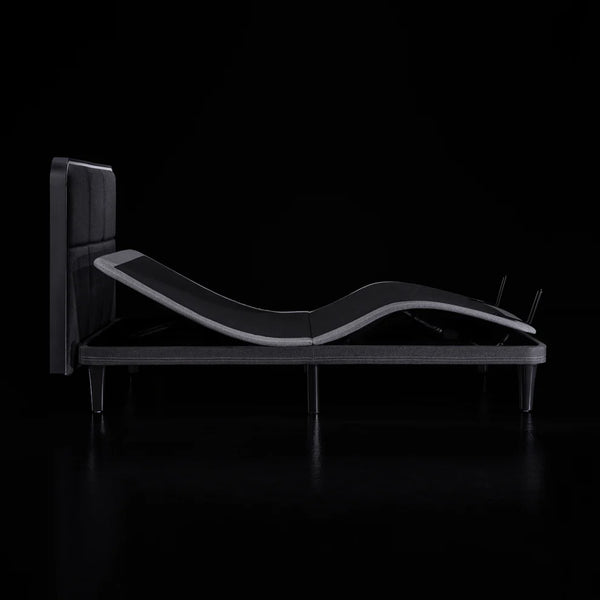
2026 New Brooklyn Bedding Titan Plus Elite

For shoppers comparing options, you can also check other strong, comfort-focused choices from The Sleep Loft to match your preferences. For example, if you want a more breathable feel, explore the Chill Hybrid option. If you prefer an organic-style build, review the Eco Organic mattress and compare the support feel in your preferred sleep position.
And if cooling is a top priority, consider looking at a cooling-forward hybrid like the Sapira Chill Hybrid to see whether its comfort profile fits your body.
What to look for when testing this type of bed
- Settle test: Lie down for several minutes. See if your body keeps sinking or feels steady.
- Shoulder and hip comfort: If you side sleep, check comfort where your body presses hardest.
- Repositioning: Shift positions and notice whether the mattress helps you move without resistance.
- Edge support: Sit near the edge. Strong edge feel can help with getting in and out.
How to Test Your Mattress at The Sleep Loft
Online shopping is convenient, but comfort is personal. The Sleep Loft Showroom is ready for you to try your favorite online beds before you buy. You can compare different feels back-to-back and learn what support level actually works for your body.
Conveniently located in New York & New Jersey, The Sleep Loft Showroom offers a large, comfortable space with ample parking and an easy-to-find location. Our New location at 1056 3rd Avenue, New York, NY is designed for a stress-free in-store experience.
When you visit, bring your key questions: Which firmness felt best? Did you feel pressure build up? Did you sink too much while lying on your side? Ask the team to help you compare support profiles so you can pick a mattress for heavy sleepers with confidence.
Final Thoughts & Takeaways
Choosing a mattress for heavy sleepers is about more than picking a number on a firmness scale. You want a bed that stays supportive, protects your alignment, and keeps pressure points comfortable. The best options balance a stable support core with comfort layers that distribute weight without collapsing too quickly.
Focus your search on how the mattress feels after you settle, how easily you reposition, and whether it supports your hips and shoulders in your usual sleep position. When you test in person, you can eliminate guesswork and move faster toward a choice you will enjoy for years.
If you’re ready to upgrade your sleep comfort, start with a short list and compare feel, support, and cooling. Then take action—your next better night is closer than you think.
Q&A
How firm should a mattress for heavy sleepers feel?
Many heavy sleepers do best with a medium-firm to firm feel, but comfort should still cushion pressure points. The right level is the one that keeps your hips from sinking too far while still avoiding stiffness around shoulders or lower back.
Will a hybrid mattress be better for heavier weight than foam?
A hybrid can be a great fit because coil support often creates a stable foundation and responsive feel. However, durable foam can also work well when it is built with supportive layers that resist excessive sink. The best choice depends on how the mattress feels to you after you settle.
How do I know if a mattress is breaking down too fast for me?
Watch for early signs like increased sinking, uneven support, or more tossing and turning after the first weeks. If you notice you feel trapped in certain positions or your alignment feels worse over time, it may be a sign the comfort layers are compressing faster than you need.
What sleep position should guide my selection?
Your main sleep position helps determine what areas need the most support. Back sleepers usually need steadier support for the lower back, side sleepers need pressure relief at hips and shoulders, and stomach sleepers need help preventing deep hip sink.
Disclaimer: Mattress comfort and durability vary by person, body mechanics, sleep habits, and the specific model. This article provides general shopping guidance and testing tips, not medical advice. Always follow the manufacturer’s care and usage recommendations and, when needed, consult a qualified healthcare professional for health concerns.
The content in this blog post is intended for general information purposes only. It should not be considered as professional, medical, or legal advice. For specific guidance related to your situation, please consult a qualified professional. The store does not assume responsibility for any decisions made based on this information.