

Updated on: 2026-05-07
Choosing among the best mattress brands is easier when you compare materials, firmness, and support systems. The right mattress can reduce pressure points, improve spinal alignment, and support restful sleep across changing preferences. This guide explains how to evaluate foam, hybrid, and organic options with practical criteria. You will also find a focused product spotlight, clear pros and cons, and answers to common shopping questions.
Introduction | Product Spotlight | Did You Know? | Pros & Cons Analysis | How to Choose the Best Mattress Brand for You | Firmness and Sleep Position: A Practical Match | Materials and Construction: What Matters Most | Care and Setup: Protect Your Purchase | FAQ Section | Conclusion & CTA | About the Author
Introduction
Selecting the best mattress brands is a high-stakes decision because your comfort affects every part of your day. A quality mattress can help you fall asleep faster, stay asleep longer, and wake up with less body tension. However, brand names alone do not guarantee performance. The most reliable approach is to evaluate the core build, comfort layer, and support system that align with your body type and sleep habits. In this article, you will learn how to compare leading options and how to narrow your choices to a mattress that fits your needs.
If you are shopping online, you also need clear guidance about firmness, temperature control, and durability signals. You will find a structured comparison, a product spotlight from a well-known brand, and a short checklist for choosing the right bed with confidence.
Product Spotlight
Many shoppers start by looking for supportive performance with balanced comfort. If you want a widely appealing hybrid style, a cooling-forward mattress with layered construction can be a strong match for mixed sleep needs. Below is a specific example you can consider while you compare brand-to-brand performance.

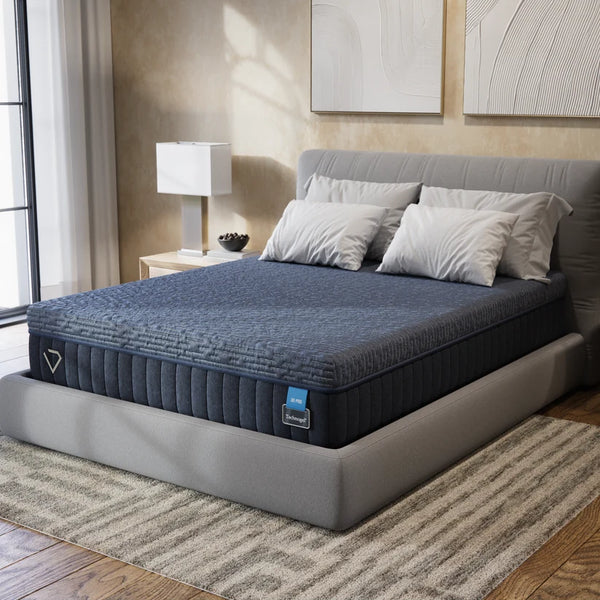
Layered comfort zones with airflow and support map
One option to review is the Helix Twilight Luxe. This model is designed around a comfort system that aims to balance cushioning and stable support. In practical terms, that means the upper layers work to relieve pressure while the deeper support structure helps maintain alignment for common sleeping positions. When comparing the best mattress brands, this hybrid style is often useful because it can feel responsive, yet still offer noticeable contouring at key contact points.
To evaluate whether this type of mattress fits you, focus on three elements: comfort thickness, support responsiveness, and temperature management. Hybrid builds typically include different zones and supportive coil layers, which can help airflow compared to all-foam designs. At the same time, not every person responds the same way to the balance of cushioning and firmness, so it is important to confirm your preferences for sink versus lift.
If you tend to sleep hotter, you can also compare cooling and airflow-focused designs within the brand lineup. Consider reviewing Casper Snow Cooling Hybrid Mattress for an example of how cooling positioning is marketed through hybrid construction.
Did You Know?
- Mattress comfort is shaped by both foam feel and support response, not only by firmness labels.
- Cooling can come from materials, airflow design, and surface texture working together.
- Edge support matters for people who sit on the bed, sleep near the perimeter, or share space.
- Durability depends on how the support core resists sagging over time, especially under consistent pressure.
Pros & Cons Analysis
The best mattress brands often offer more than one construction style. Use the comparison below to decide which category matches your goals.
Type |
Pros |
Cons |
All-Foam |
|
|
Hybrid |
|
|
Organic and Natural Materials |
|
|
When you evaluate brands, do not treat every model as identical. Two mattresses with similar firmness can feel different due to quilting, foam ILD ratings, coil heights, and comfort layer composition.
How to Choose the Best Mattress Brand for You
Brand reputation is only one part of the decision. A systematic approach helps you avoid mismatches that lead to returns, discomfort, and wasted time. Use this checklist while you compare the best mattress brands.
Match your primary goal. Decide whether you prioritize pressure relief, temperature control, bounce, or motion isolation.
Identify your ideal firmness range. Use “soft,” “medium,” and “firm” as guidance, not guarantees. Comfort layer thickness can shift the feel.
Consider your sleep position. Side sleepers usually need more contouring; back sleepers often benefit from balanced support; stomach sleepers usually require enough lift to keep hips aligned.
Check edge support expectations. If you sit on the bed or share space, look for stable perimeter performance.
Plan for comfort break-in. Some mattresses adjust with initial settling. The most important factor is that your support remains consistent as materials stabilize.
To see how different constructions can feel, compare a supportive hybrid with a foam-forward option. For example, you may want to review Sapira Chill Hybrid Mattress if you value cooling and responsive support, then contrast it with a more cushioning-focused foam hybrid style such as Deluxe Chill Hybrid Mattress.
Firmness and Sleep Position: A Practical Match
Firmness should be connected to how your body distributes weight. If the comfort layer is too thin, pressure points increase. If the comfort layer is too thick or too soft for your weight, hips may sink and cause misalignment. The best mattress brands often offer multiple firmness levels, which makes it easier to tune the feel to your needs.
Side sleeping
Side sleepers typically need cushioning under shoulders and hips. A mattress with a comfort layer that contours without excessive sink is usually the most comfortable. Look for designs that provide pressure relief while maintaining a supportive base.
Back sleeping
Back sleepers often benefit from even support across the back and lumbar area. The goal is to keep the spine neutral. Medium to medium-firm comfort can help prevent excessive sag while still allowing gentle contouring.
Stomach sleeping
Stomach sleepers generally require more lift under the pelvis to reduce strain. Too much softness can cause the hips to drop and pull the lower back out of alignment. A firmer feel or a mattress with strong support response can be a safer direction.
Materials and Construction: What Matters Most
Comfort layer and support core are the two main areas that determine how a mattress performs. When comparing the best mattress brands, it helps to focus on material behavior rather than marketing terms.
Foam types and comfort response
Foams influence pressure relief, motion isolation, and the sense of “hug.” Higher-density foams often provide more durability and consistent feel. Softer foams can improve initial comfort but may wear faster if the support core is not engineered to handle long-term pressure.
Coils and support stability
Coil systems influence responsiveness and edge support. Zoned or pocketed coil configurations may help isolate motion and maintain alignment across different sleep positions. Hybrid designs often provide improved airflow because air can move through spaces in the coil layer.
Organic and natural builds
Organic or nature-focused mattresses can be appealing for comfort and material preference. Look for breathable covers and supportive internal layering. When shoppers prioritize natural materials, they still need to verify comfort level and support performance based on their sleep position.
If you are interested in organic-focused construction, consider reviewing Eco Organic Mattress and Luxury Organic Mattress. Comparing these options can help you understand how organic design choices translate into firmness feel and overall support.

Construction diagram showing comfort layer, coil core, breathable cover
Care and Setup: Protect Your Purchase
Even the best mattress brands cannot perform at their peak if setup is poor. A mattress should be supported by an appropriate foundation and cared for with consistent habits.
Use the correct base. Follow the recommended foundation type. Incorrect support can cause premature sagging or uneven wear.
Rotate periodically. Rotating helps reduce uneven compression, particularly on beds where one side is used more frequently.
Use a breathable protector. A quality mattress protector can reduce dirt accumulation while preserving airflow and comfort.
Keep the sleep surface clean. Regular vacuuming of the cover surface area helps maintain freshness.
For households that share a bed, also consider comfort coordination. Motion isolation affects how much one person disturbs another during movement. If you partner with different sleep schedules, a mattress with strong motion isolation may offer more consistent rest.
FAQ Section
What are the best mattress brands for pressure relief?
Brands that emphasize well-designed comfort layers and supportive cores are often strong choices for pressure relief. In practice, look for foam or hybrid builds that contour at shoulders and hips while maintaining stable support in the midsection.
How do I choose between an all-foam mattress and a hybrid?
Choose all-foam if you prefer quiet motion isolation and a more enveloping feel. Choose a hybrid if you want a mix of cushioning and responsive support, with airflow benefits from the support core.
Do mattress firmness labels mean the same across brands?
No. Firmness labels vary based on comfort layer thickness, foam response, and overall construction. The most dependable method is to compare build details and consider your sleep position and body weight to estimate how the feel will translate in your home.
Which mattress type sleeps cooler?
Many hybrids sleep cooler because coil systems can support airflow. Cooling also depends on cover materials, comfort layer properties, and airflow pathways. If you typically sleep hot, prioritize designs that include breathability features and responsive airflow-oriented construction.
Conclusion & CTA
Finding the best mattress brands is not about choosing a name. It is about selecting the right construction, firmness behavior, and support balance for your body and sleep habits. When you compare materials, comfort response, and temperature performance, you reduce the risk of a mismatch and increase the chance of long-term satisfaction. If you want to narrow your options, review models within different construction styles and confirm which comfort feel aligns with your sleep position.
When you are ready to test and compare, visit The Sleep Loft - Online Mattress Showroom to explore online bed options in a comfortable in-person setting. You can also review featured products on the site and choose a model that matches your preferences.
About the Author Section
The Sleep Loft - Online Mattress Showroom is supported by a team focused on mattress education and consumer-ready guidance. Our expertise centers on construction basics, comfort and support evaluation, and practical shopping criteria that help customers choose with clarity. We aim to make mattress research efficient and confidence-building. Thank you for reading and we look forward to helping you find a mattress that supports your best sleep.
Disclaimer: This article provides general educational guidance and shopping criteria. Individual results vary based on personal comfort preferences, body type, and sleep habits. For product-specific specifications and warranty details, refer to the manufacturer information.
The content in this blog post is intended for general information purposes only. It should not be considered as professional, medical, or legal advice. For specific guidance related to your situation, please consult a qualified professional. The store does not assume responsibility for any decisions made based on this information.