

Updated on: 2026-04-18
A well-chosen bed frame can improve daily comfort, support posture, and make your room feel more functional. Bed frames with foot articulation add targeted adjustability that helps many sleepers find a more comfortable position for resting and relaxing. They can also simplify getting in and out of bed by changing the angle at the foot area. This guide explains how these frames work, what to compare before purchase, and how to select a model that fits your space and preferences.
5. Understanding Foot Articulation
6. Comfort and Setup Considerations
Summary: Why Bed Frames With Foot Articulation Matter
Bed frames with foot articulation are designed to let the foot end of the frame adjust in angle. That adjustment can support different sleeping positions, improve the feel of the bed during reading or relaxation, and help some users manage day-to-day comfort needs. If you want a more responsive base than a traditional fixed frame, this type of bed frame can be a practical option.
In the sections below, you will learn what foot articulation changes, which features matter most, and how to choose a model that matches your mattress, your room layout, and your daily routine. For shoppers exploring adjustable beds, it is also useful to compare materials, motion features, and warranty terms before making a decision.
Did You Know?
- Foot articulation changes the perceived comfort of a mattress because it subtly alters pressure distribution and the way you rest against the support surface.
- Many users notice that a slightly adjusted foot end can feel more supportive during relaxed seated time, such as using a laptop or reading near bedtime.
- The right frame height matters for practical access; articulation can change how easily you sit up and shift position in bed.
- Compatibility between the frame, mattress, and bedding system is essential. Some mattress types may pair better with adjustable foundations than others.
- Noise level is often overlooked. Smooth hinges and well-aligned components help maintain quiet operation over years of use.
Comparison: Pros & Cons
-
Pros
- Targeted adjustability: Focused movement at the foot area can support comfort preferences without requiring full-body adjustments.
- More comfortable downtime: Many sleepers use foot articulation for relaxing in bed while remaining stable.
- Practical access: Changing bed angles can make repositioning easier for some users.
- Better match for certain mattresses: A compatible foundation can help the mattress perform as intended.
-
Cons
- Space and clearance needs: The frame may require extra clearance at the foot end for full range of motion.
- Higher cost than fixed frames: Articulation mechanisms and controls generally increase price.
- Maintenance considerations: Hinges, joints, and motors require proper care and periodic checks.
- Compatibility rules: Not every mattress and bed setup is ideal for adjustable bases.
Buyer’s Checklist
- Confirm your measurements: Measure room clearance, bed height, and access pathways for safe movement around the bed.
- Verify mattress compatibility: Check whether your mattress type supports articulation without shifting or excessive flex.
- Evaluate range of motion: Determine whether the foot articulation range fits your preferred angles.
- Assess stability: Look for a sturdy frame that remains firm during adjustment and when you change positions.
- Consider noise and smoothness: Choose a model known for quiet operation and consistent movement.
- Check control options: Prefer an interface that is simple to use and easy to position for nightly access.
- Review warranty and service: A clear coverage policy and reliable support reduce purchase risk.
- Plan for power and cables: Ensure power cords can route safely and neatly without tangling.
- Think about bedding fit: Ensure fitted sheets and protectors remain secure when the foot area adjusts.
- Set a realistic budget: Prioritize the features that directly affect daily comfort and usability.
Bed Frames With Foot Articulation: How the Mechanism Works
Foot articulation typically refers to a design where the foot portion of the bed base can change angle. In practical terms, the frame uses joints, linkages, or controlled motion components to lift or tilt the foot end. This movement can influence how your body aligns with the mattress and how your legs and lower back feel when you relax.
Because foot articulation targets only the lower section of the bed, it often feels more approachable than fully adjustable systems. Many shoppers like this approach because it can deliver meaningful comfort changes while remaining simpler to operate than complex adjustability frameworks. However, the exact experience depends on the frame construction, the control system, and the mattress that sits on top.
When evaluating bed frames with foot articulation, pay close attention to the stiffness of the frame and how it handles load. A stable base helps the mattress remain in place and maintains even support. If the frame flexes excessively or the mattress shifts during adjustment, comfort can degrade quickly.

Diagram of pivot points and angle adjustment zones
Comfort and Setup Considerations for Foot-Adjusting Frames
Your comfort experience depends on the entire setup, not only the frame. Mattress construction, height, and the bedding system influence how well foot articulation feels during nightly rest. First, consider how your mattress responds to angle changes. A supportive mattress that maintains its shape under motion generally pairs better with adjustable frames.
Second, evaluate bed height and accessibility. If the bed becomes noticeably taller at the foot during operation, stepping or sitting may feel different. People who frequently get in and out of bed may prefer a frame height that supports a comfortable transition from standing to sitting. For shoppers focused on comfort at home, it can also help to test movement in person and observe how the bed feels in the room environment.
Third, review your bedding approach. Fitted sheets, mattress protectors, and bed skirts should be secure enough to remain smooth when the frame changes angle. If your bedding is too loose, it can shift and create discomfort during the night.
Finally, consider the placement of the bed in the room. Clearance matters because the foot section may move forward or upward. Make sure there is enough space near the foot end for adjustment and for safe access around the bed.
Shopping Tips for Fit and Durability
Durability is a key factor when buying a frame with a moving mechanism. Look for a design with reinforced joints and a stable base structure. You should also consider how the frame handles daily use. Motion systems must remain smooth and quiet so the bed feels reliable rather than distracting.
It is also important to select a mattress that matches your preference for firmness and support. A mattress that is too soft may sag more noticeably when the foot end is raised. A mattress that is too firm can create pressure points if the articulation position changes your body alignment significantly. The best pairing usually balances support with comfort under angle changes.
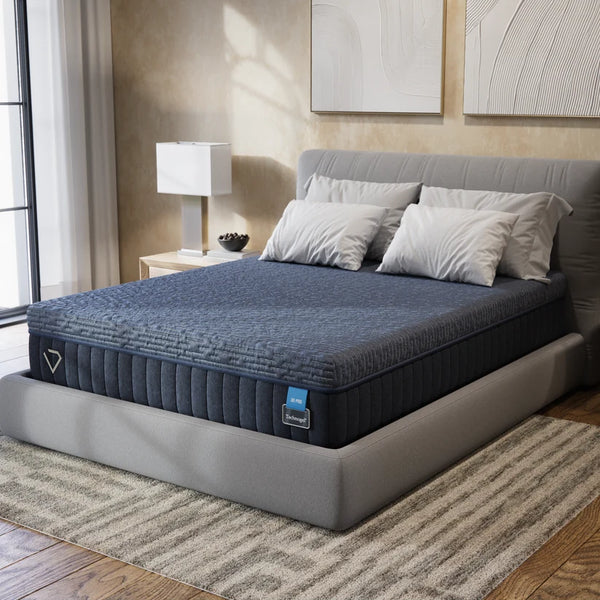
If you want a practical way to start, you can explore reputable mattress options and compare how their support profiles align with an adjustable foundation. For example, you can review the mattress and support lineup on Deluxe Chill Hybrid Mattress or examine an organic option like Luxury Organic Mattress. Each mattress type provides a different feel and response when used with a compatible base.
For shoppers seeking a more performance-oriented sleep surface, hybrid models can offer a balanced response across pressure points. If you prefer a sleep experience that emphasizes airflow and cooling, reviewing cooling-focused models may help narrow choices. For a more responsive option, consider Sapira Chill Hybrid Mattress and compare the feel with how you like the base to support your lower body.
Ergomotion x Sleep Loft Series 2.0
View Ergomotion x Sleep Loft Series 2.0
When you consider a premium adjustable foundation, focus on the user experience. Smooth motion, clear controls, and reliable stability are often more important than marketing language. If you are comparing bed frames with foot articulation to other foundation types, evaluate whether foot-focused adjustability matches your goals. If your primary desire is comfortable lounging and tailored leg support, foot articulation may deliver meaningful value without the complexity of fully adjustable motion.

Room layout with clearance zones around foot movement
Final Thoughts & Advice
Bed frames with foot articulation are a practical upgrade for shoppers who want comfort customization at the foot end while keeping the experience straightforward. The best results come from pairing the frame with a mattress that maintains stable support during angle changes. Prioritize stability, quiet movement, proper clearance, and a user-friendly control setup.
If you are unsure which mattress foundation combination fits your preferences, consider trying options in a showroom environment. The Sleep Loft Showroom is ready for you to try your favorite online beds before you buy. Conveniently located in New York and New Jersey, the team provides an approachable space with ample parking and an easy-to-find location at 799 Route 17, Paramus, NJ.
For best outcomes, treat the bed as a system. Your mattress firmness, your preferred sleeping posture, and your comfort goals should guide both the foundation and the bedding selection. With a thoughtful comparison, you can choose a foot-articulating frame that improves how you rest each day.
Q&A Section
Are bed frames with foot articulation suitable for everyday sleeping?
Yes, many people use foot-articulating frames for daily sleep because the movement supports comfort preferences without requiring constant adjustment. The key is selecting a frame that remains stable and a mattress that pairs well with angle changes. If you plan to use articulation nightly, ensure the control system is easy to operate and that your bedding stays secure.
What should I check for mattress compatibility?
Confirm that your mattress can handle motion without shifting. Review guidance related to adjustable foundations, focusing on whether the mattress maintains support and shape during articulation. If you use a mattress protector or fitted sheets, confirm that they remain smooth when the foot section changes angle. When in doubt, verify compatibility with the retailer or product documentation.
Will foot articulation require extra space around the bed?
Often, yes. The foot end may need clearance for movement depending on the frame design and the range of articulation. Measure the space near the foot side, including pathways and nearby furniture. Ensuring clearance improves safe operation and helps prevent interference during adjustments.
How do I reduce noise and motion distraction?
Choose a frame with well-built joints and consistent motion. Proper setup also matters, including ensuring the frame sits evenly on the floor and that cables are routed safely away from movement paths. Regular care and keeping moving parts clean can help maintain quiet operation over time.
About the Author
The Sleep Loft - Online Mattress Showroom
The Sleep Loft - Online Mattress Showroom is an established mattress retail team focused on helping customers choose comfortable sleep solutions with clarity and confidence. Our expertise centers on mattress support, foundation compatibility, and practical comfort testing for real-world living. We aim to make your purchase decision simpler through clear guidance and a welcoming showroom experience. Thank you for reading, and we look forward to helping you find a bed that fits your needs.
Disclaimer: This article is for general informational purposes and does not provide medical advice. Individual comfort needs vary. Always review the manufacturer instructions for any adjustable frame and mattress, and consult a qualified professional for personal health concerns.
The content in this blog post is intended for general information purposes only. It should not be considered as professional, medical, or legal advice. For specific guidance related to your situation, please consult a qualified professional. The store does not assume responsibility for any decisions made based on this information.